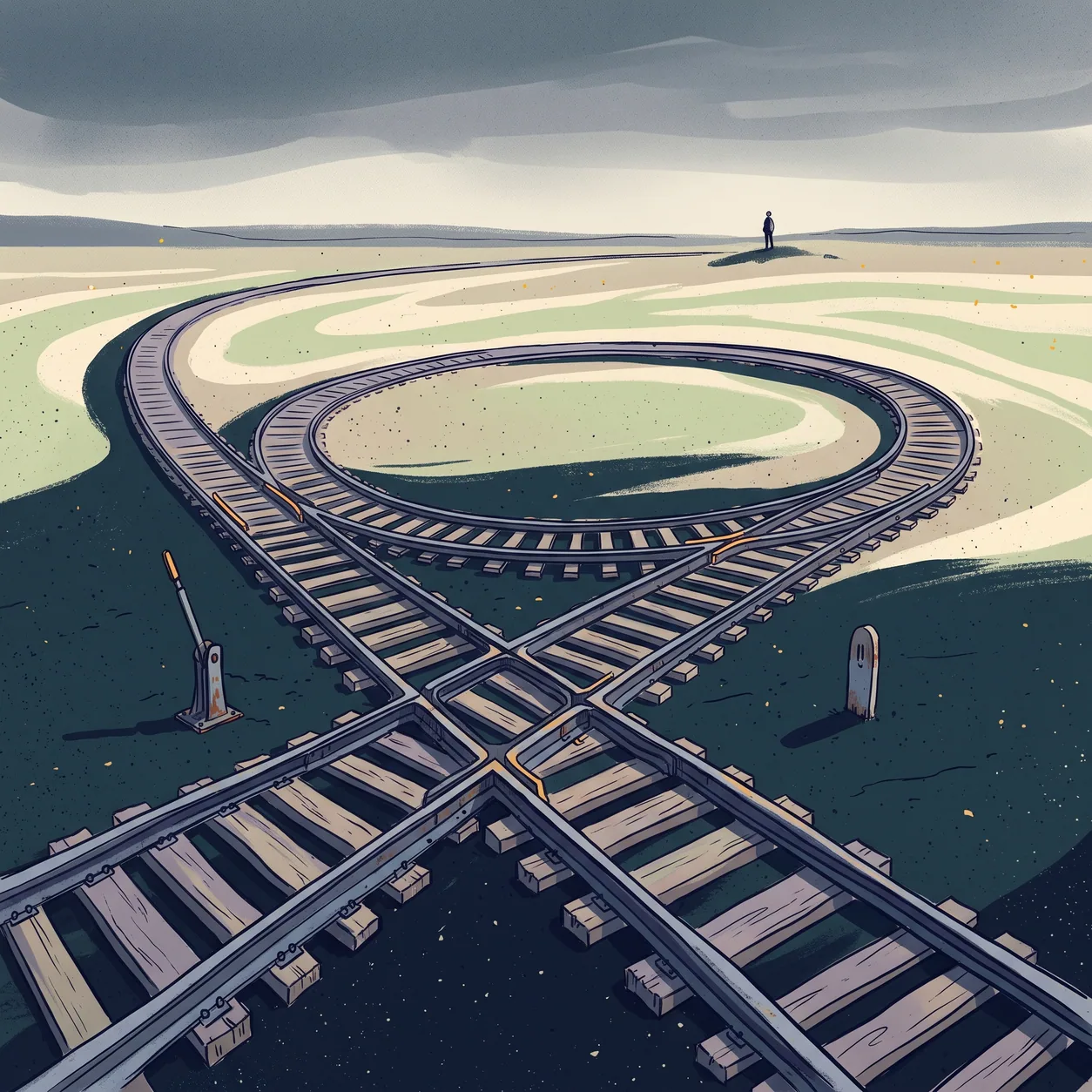
Organizational and governance structures can experience profound instability when alternative leadership options fail to build necessary consensus. When prospective candidates cannot secure broad support, decision-making processes might naturally retreat toward former baseline solutions. However, reverting to previously set aside figures can create significant misalignment between institutional leadership and broader external observers. In general, defaulting to familiar options during a governance gap might offer temporary continuity, yet it can also expose deeper vulnerabilities in the underlying selection process.
Default Dynamics in Complex Governance
Defaulting to a previously set-aside option can reflect a structural scarcity of alternative paths within an organization or political system. When prospective options collapse, system leaders might perceive a return to established names as the simplest method to maintain functional continuity. Yet, this approach can inadvertently signal that the selection system is incapable of cultivating new, broadly supported alternatives. For builders and operators, relying on former baselines could risk reigniting latent conflicts rather than establishing true long-term operational balance.
Possible Deadlock and Public Friction
When a governance framework defaults to an ousted option, public friction can escalate rapidly. Stakeholders who previously rejected a specific framework or leader may view such defaults as a disregard for their expressed demands. Consequently, attempting to restore prior arrangements might exacerbate public resistance and could deepen any institutional deadlock.
Wikipedia's current-events log for December 8, 2019 recorded that massive protests were formed outside Lebanon's Parliament building in response to Saad Hariri’s possible return.
Such public resistance might suggest that defaulting to a legacy option during crisis moments could diminish institutional legitimacy. Systems that lack flexible mechanisms for cultivating new consensus options might consistently struggle to navigate severe operational strain. System designers could find that sustainability requires building redundant selection pathways rather than relying on contentious fallback solutions.
When consensus pathways fail, relying on past defaults might only intensify structural friction.
Sources
- Portal:Current events/2019 December 8 (revision 932706058) - Wikipedia, 2019-12-27T19:01:00Z.