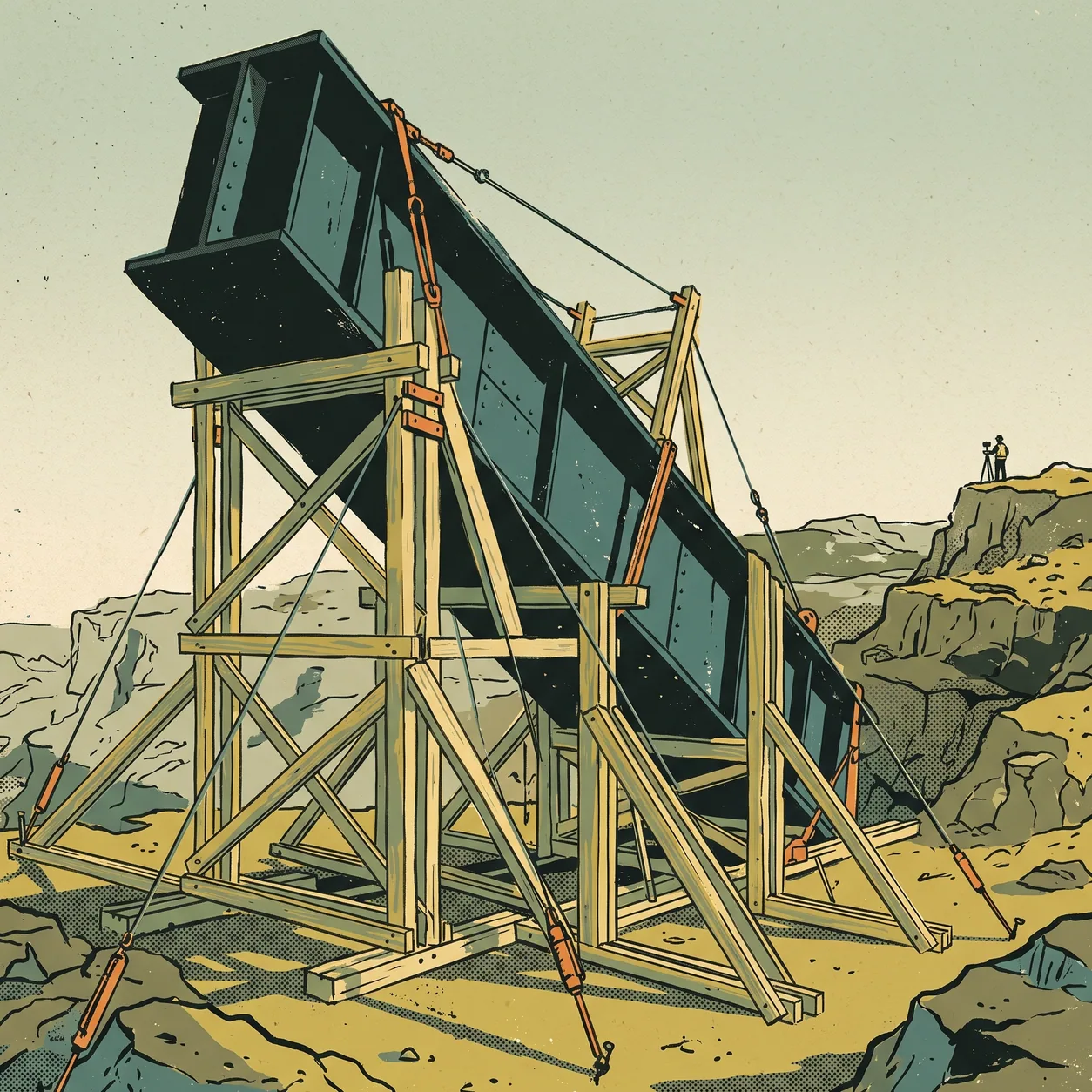
Recovering from a major systemic failure might require vastly more resources than constructing the original infrastructure. In complex operations, the effort to stabilize an environment can often dwarf the work required to set it up initially.
How Massive Recovery Operations Can Reframe Project Scale
Wikipedia's current-events log for September 17, 2013 recorded that the Costa Concordia was pulled completely upright from the place where it sunk in early 2012 off the coast of Tuscany in Italy. Concordia is nearly 300m long and weighs in at over 114,000 tonnes. More than 30,000 tonnes of material (a quarter of the ship’s weight) has been used in the salvage operation. The Conversation put the cost of the salvage operation so far at £500 million – more than Concordia cost to build.
Why Remediation Costs Might Exceed Initial Build Budgets
When large-scale systems encounter critical failures, reversing the damage can demand custom engineering solutions that might far exceed original build budgets. Builders may find that designing a system under controlled conditions is generally simpler than extracting or repairing one in an unstable environment. In many technical fields, salvage or correction efforts can require significant secondary infrastructure simply to establish control before primary repair work can even begin.
In complex systems, recovery costs can accumulate rapidly when operators choose to build customized framework tools to manage an intervention. Such structural overhead might obscure the true cost of operational failure until execution begins.
This dynamic might serve as a valuable perspective for project leaders who focus primarily on creation rather than contingency planning. A team might assume that fixing a compromised initiative will cost a fraction of its original deployment, yet actual field conditions can quickly overturn those assumptions. Unforeseen operational friction can force project operators to expend additional resources and financial reserves just to reach a neutral baseline.
Furthermore, managing high-stakes recovery operations may demand a distinct perspective from standard product development. Teams facing major technical setbacks might need to recognize that stabilizing a compromised system can require effort that appears disproportionate at first glance. Ultimately, prioritizing proactive resilience might remain far more sustainable than attempting complex recovery after a crisis.
Sources
- Portal:Current events/2013 September 17 (revision 574553023) - Wikipedia, 2013-09-26
- Righting the Costa Concordia: how to flip a half-sunk ship - The Conversation, 2013-09-16