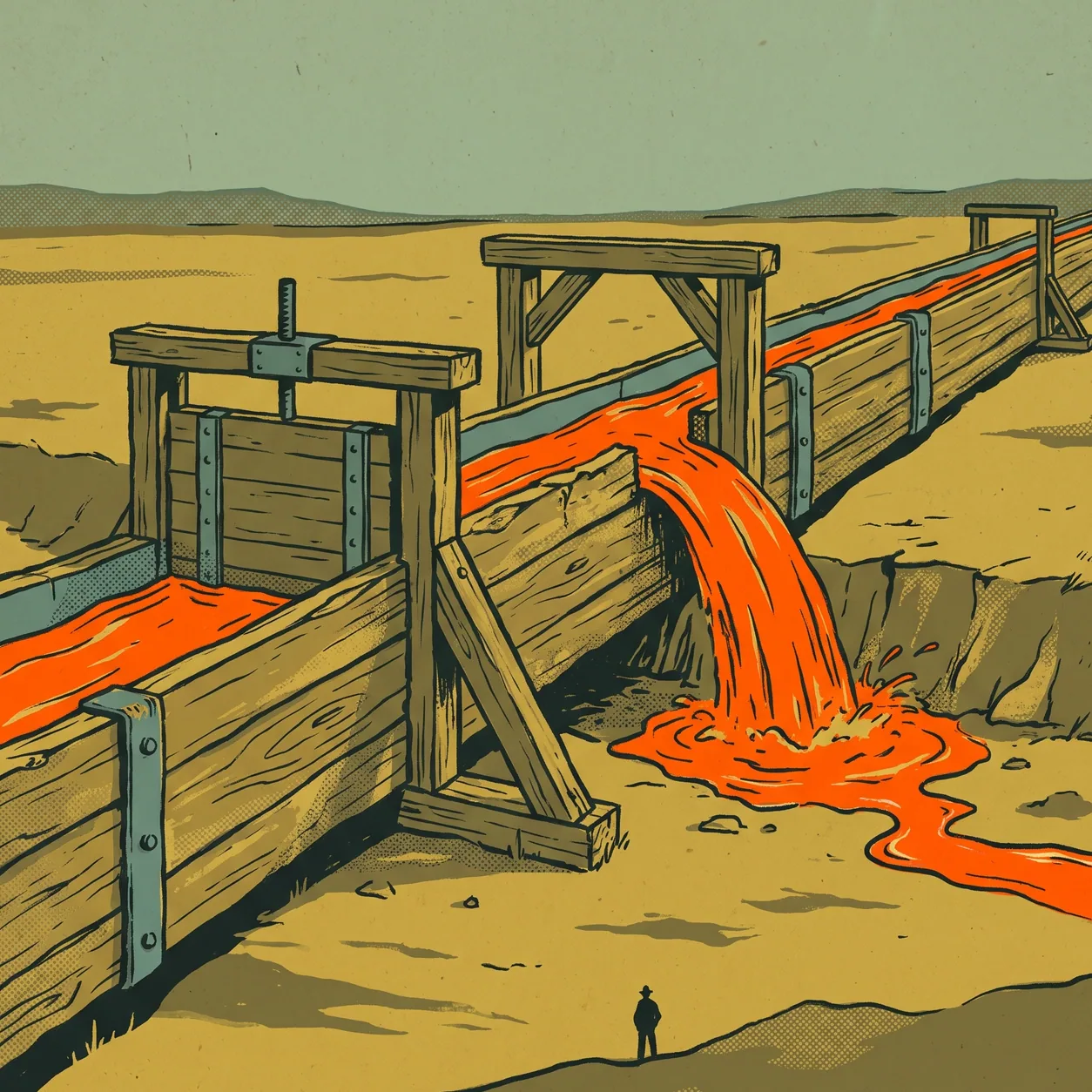
Systems without clear ways to raise concerns may build up friction. Where such channels are hard to reach, public action can become one way that concerns are voiced.
Wikipedia's current-events log for May 6, 2010, recorded that hundreds of people in Afghanistan demonstrated against the alleged mistreatment and executions of Afghan refugees in Iran.
Pressure Points
The log does not describe the organisers' reasons beyond the allegations, and none are assumed here. In general, cross-border migration can involve complex administrative and legal frameworks, and the people most affected may have little view of the processes that govern them. Where stakes are high and information is scarce, public gatherings might become one way of being heard.
Designing robust systems may mean thinking ahead about how people will meet rigid policies. If a framework lacks ways to raise and correct problems, friction might show up outside it. Demonstrations can be read as one form of feedback, pointing to a possible gap between how a policy is meant to work and how it is experienced.
Feedback as a Necessity
For builders of any large framework, outside pressure might be worth reading as a signal about internal communication. Noticing such signals early may allow adjustments before friction grows.
Moments like this can offer a view of the limits of administrative design and of why adaptable governance may matter.
Perhaps a well-designed system is one that leaves room to hear, and answer, its own critics.
Sources
- Portal:Current events/2010 May 6 (revision 361533693) - Wikipedia, 2010-05-11T19:45:25Z