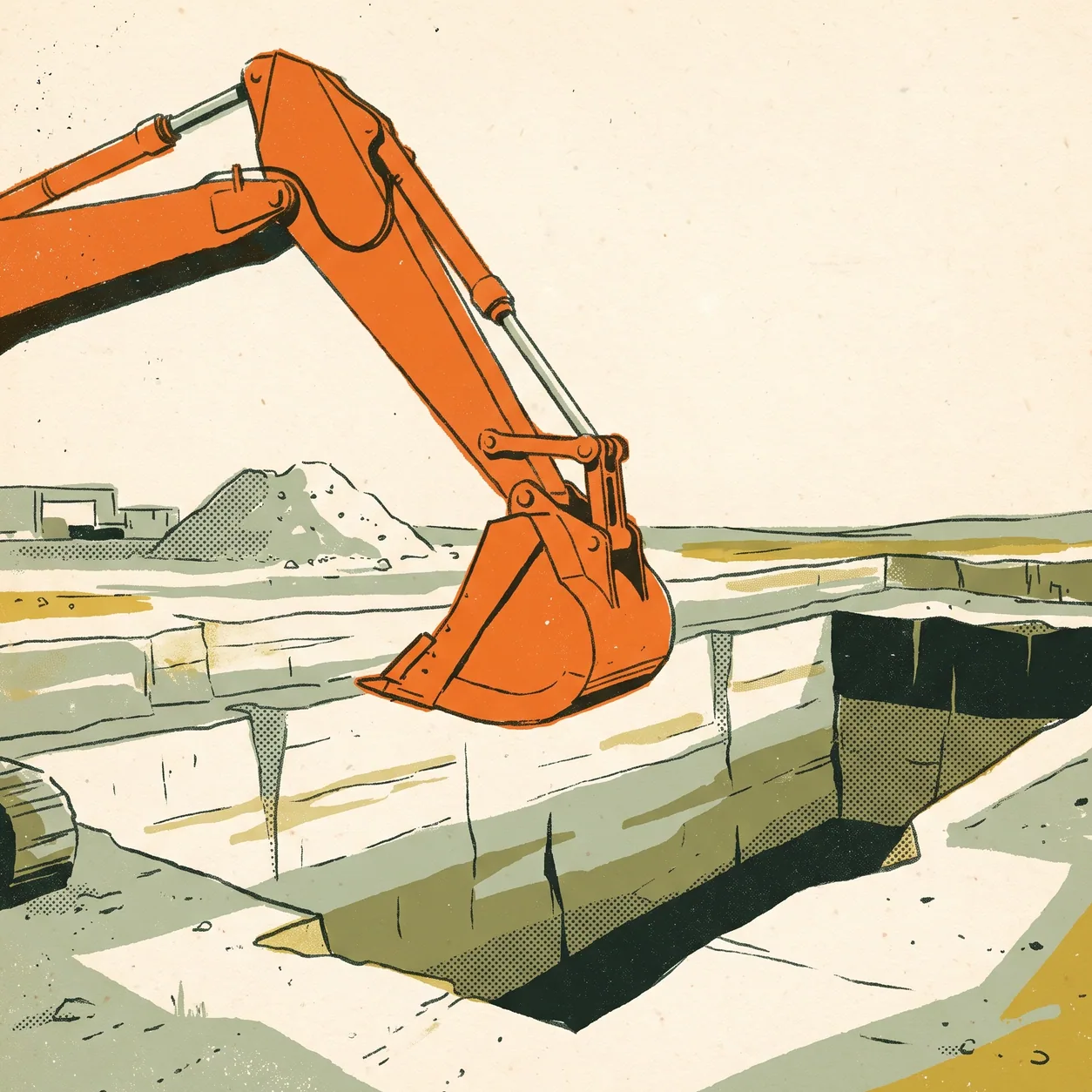
Systems generally dictate the physical world as much as they govern the abstract. When administrative decisions reach their final stage, they often manifest as irreversible alterations to the built environment. The rules of a system are perhaps ultimately tested by their capacity to reshape the physical landscape.
Wikipedia's current-events portal for July 13, 2010, recorded that Israeli authorities use bulldozers to demolish three Palestinian buildings in East Jerusalem.
The Architecture of Authority
In general, the built environment serves as a physical ledger of permissions, resources, and systemic priorities. Structures generally stand because a prevailing framework allows or requires them to exist. Conversely, the removal of structures might be viewed as the most direct application of administrative will. When systems clash over space, the resolution rarely remains on paper. It frequently translates into mechanical force.
One reading is that heavy machinery operates as the final instrument of policy execution. A bulldozer might be seen not merely as a tool for clearing land; in certain contexts, it functions as the physical enforcement of a boundary or a rule. The decision to dismantle a building can represent a definitive shift from bureaucratic process to tangible consequence.
Systems and Irreversibility
Decision-making frameworks often rely on reversible actions. However, demolition introduces a threshold of irreversibility. Once a structure is leveled, the systemic state appears permanently altered. This finality forces a reset in the environment, perhaps eliminating the physical footprint of whatever previously occupied the space.
For observers of systemic execution, the focus often drifts toward the creation of assets. Yet, the deliberate removal of assets requires an equal, if not greater, alignment of logistical and authoritative capacity. The capacity to unbuild may be a core component of systemic control. It perhaps demonstrates that the rules governing a space are not merely theoretical guidelines but enforceable realities backed by mechanical leverage.
Understanding execution might require acknowledging both construction and demolition as parallel mechanisms of control. The physical landscape is seemingly continuously edited to reflect the current balance of authority.
Sources
- Portal:Current events/2010 July 13 (revision 373945141) - Wikipedia, 2010-07-17