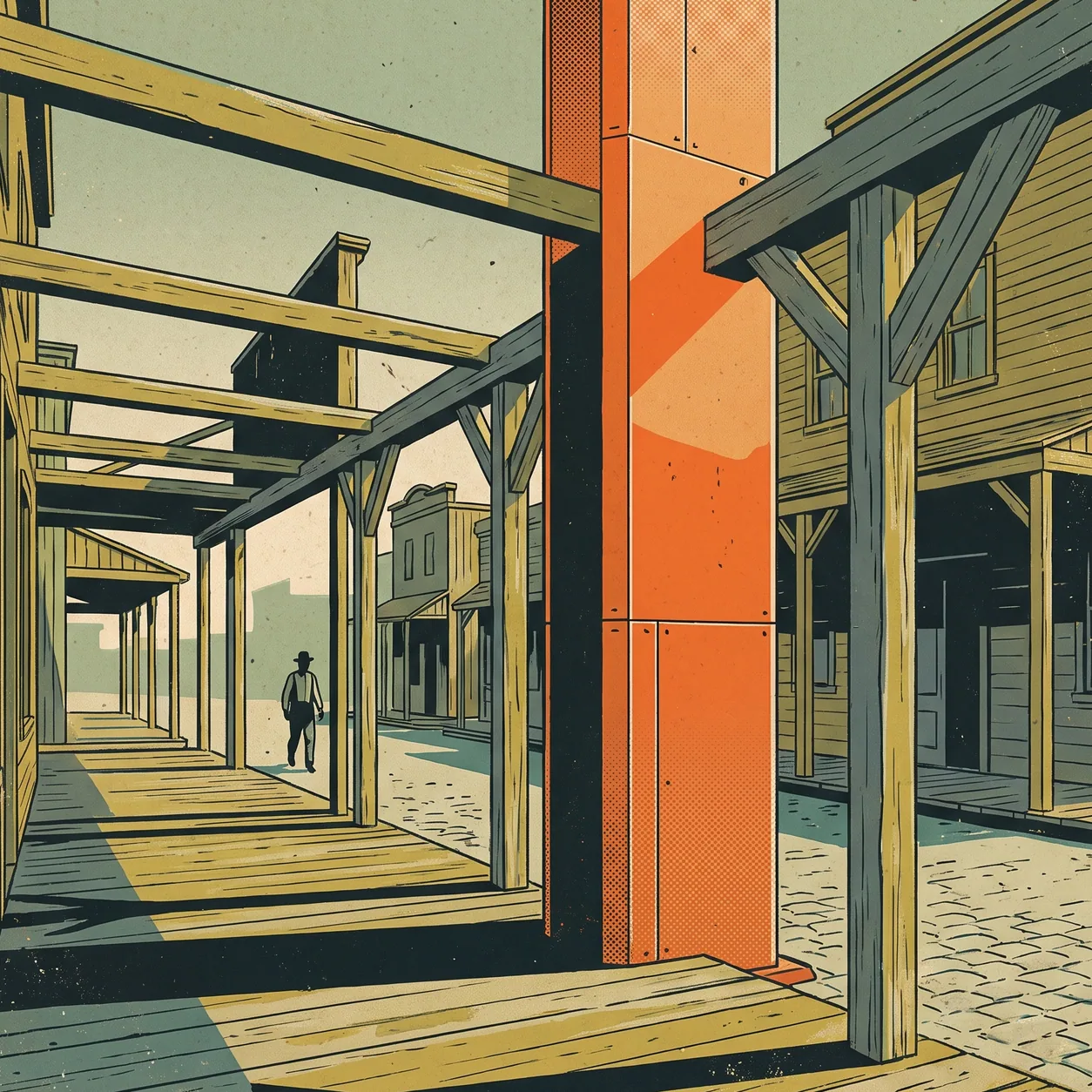
Embedding commercial elements directly into an established user experience tests the boundary between authenticity and disruption. When a long-standing environment introduces external brands, the execution must balance commercial goals with the audience's expectation of continuity.
Wikipedia's current-events log for November 14, 2011, recorded that the British television soap Coronation Street becomes the first prime time television show in the UK to use product placement after signing a deal. In an episode, a Nationwide cash machine is seen on screen.
Designing for environmental authenticity
Introducing a piece of commercial infrastructure into a fictional neighborhood represents a specific approach to monetization. Rather than interrupting a narrative flow with a separate advertisement, the brand becomes part of the set architecture. This method relies on the premise that everyday environments naturally contain corporate utility points.
If an audience is accustomed to seeing generic storefronts, the sudden appearance of a recognizable logo might initially draw attention. However, everyday life is saturated with branded machines. Placing a functional-looking device in a realistic setting may align with how people experience their actual communities.
The mechanics of seamless integration
For builders and designers of any platform, the challenge of monetization often centers on user friction. A traditional commercial break forces a pause in engagement. Conversely, integrating a brand into the background scenery attempts to preserve the primary experience.
The success of this type of integration might depend on utility and context. A cash machine belongs on a street corner or inside a local shop. It fits the spatial logic of a community hub. When commercial partnerships respect the established rules of the environment, they are less likely to break the user's immersion.
Effective monetization does not always require capturing direct attention; sometimes, it simply requires occupying the logical space in a user's peripheral vision.
Sources
- Portal:Current events/2011 November 14 (revision 461013667) - Wikipedia, 2011-11-16T21:40:40Z