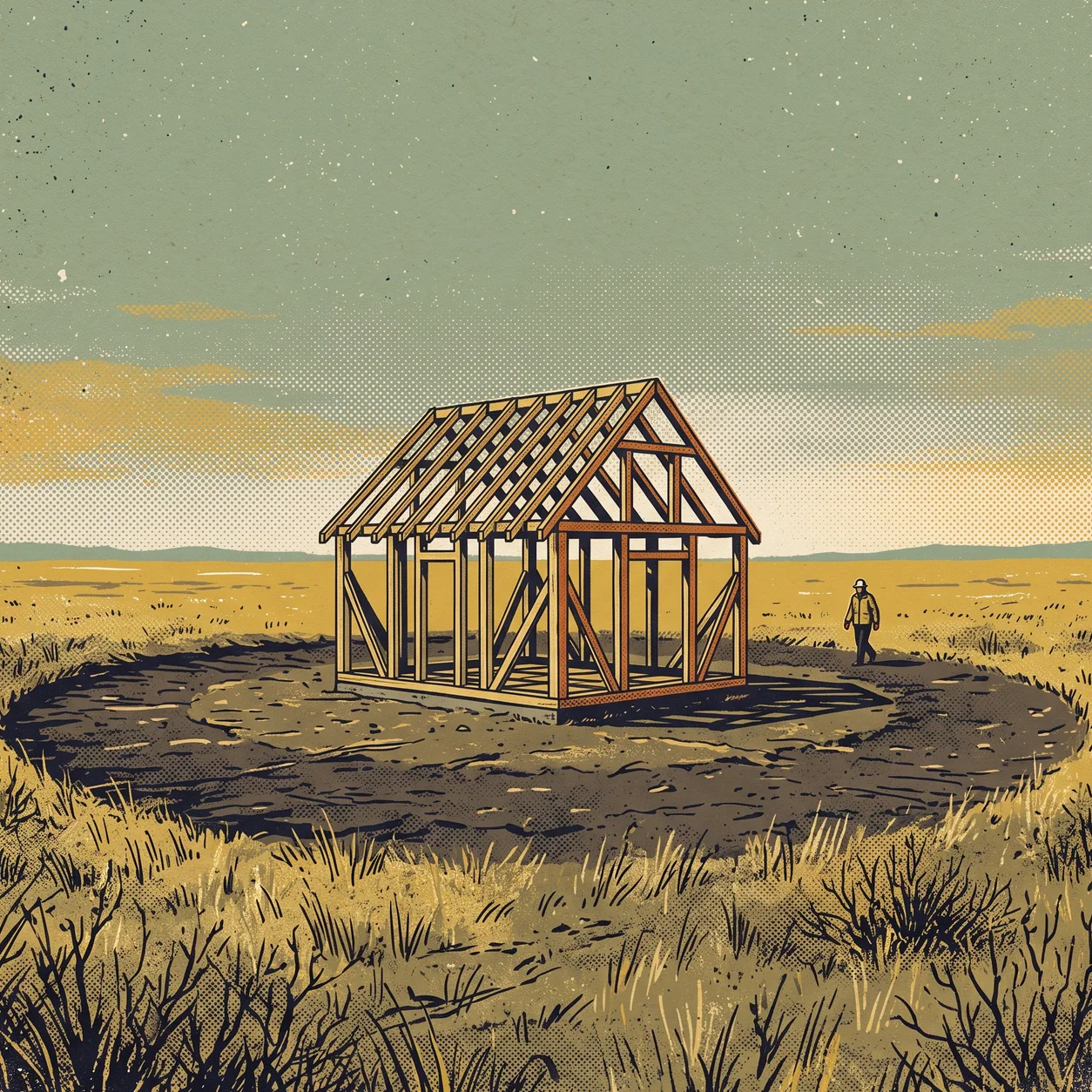
Building physical infrastructure or complex systems during active execution phases can expose project assets to acute operational hazards. Until comprehensive defensive controls and structural safeguards are fully implemented, ongoing work may remain unusually fragile in the face of sudden external events.
Wikipedia's current-events log for December 8, 2014 recorded that two raging fires in Los Angeles destroyed a massive residential complex under construction, heavily damaged a building undergoing renovations, and snarled rush hour traffic.
Physical structures undergoing active construction or substantial structural renovations might lack fully functioning fire suppression systems, which could leave them vulnerable to rapid destruction. An unexpected incident occurring during a sensitive phase of development can easily spill over into surrounding civic infrastructure, illustrating how uncompleted physical assets might generate significant collateral friction across wider urban networks.
Stephen McCullers explained that fire can be purposefully ignited under exact weather conditions, acting as a controlled but dangerous servant with a slim chance of escape or harm. McCullers observed that fire will not be denied its opportunity to burn through Florida’s forests. McCullers also emphasized that if Floridians refuse to accept any responsibility in proactively managing forest fire, nature will determine when the forest will burn.
Why Controlled Intervention Can Protect Complex Systems
Proactive oversight and intentional management can offer a vital safeguard against severe operational disruptions in physical and organizational environments. When managers or public officials allow physical systems to develop without deliberate intervention, external forces might dictate the timing and severity of inevitable disruptions. Controlled risk mitigation strategies could allow operators to set specific boundaries before unmonitored hazards escalate into broader failures.
Managing vulnerability during physical builds or natural resource management might demand continuous evaluation of environmental conditions. Active transitions can heighten vulnerability because key protective barriers may not yet be established. By actively introducing controlled measures rather than waiting for external shocks to occur, builders and managers can potentially safeguard critical infrastructure during vulnerable growth phases.
A proactive strategy for managing systemic vulnerabilities might ultimately determine whether active physical projects survive unexpected hazards.
Sources
- Portal:Current events/2014 December 8 (revision 637424198) - Wikipedia, 2014-12-10.
- A Dangerous Servant and a Fearful Master: Why Florida’s Prescribed Fire Statute Should be Amended, by Stephen McCullers - UF Law Scholarship Repository (University of Florida), 2014-10-14.