Complex organizations often engineer their environments to withstand immense technical stress, yet remain vulnerable to sudden internal crises. Designing systems for extreme environments requires acknowledging that the most immediate threats can emerge from within the facility itself.
Wikipedia's current events log for April 20, 2007 recorded a Johnson Space Center shooting, noting a NASA spokesperson says that one of the buildings at the Johnson Space Center in Houston, Texas has been evacuated. The log also recorded that the gunman killed a male hostage as well as himself.
Protocols for Unpredictable Disruption
When a critical facility faces an active internal threat, standard operational workflows immediately collapse. The priority shifts entirely from continuous operation to immediate personnel preservation. This shift requires a distinct set of operational protocols that can be activated instantly.
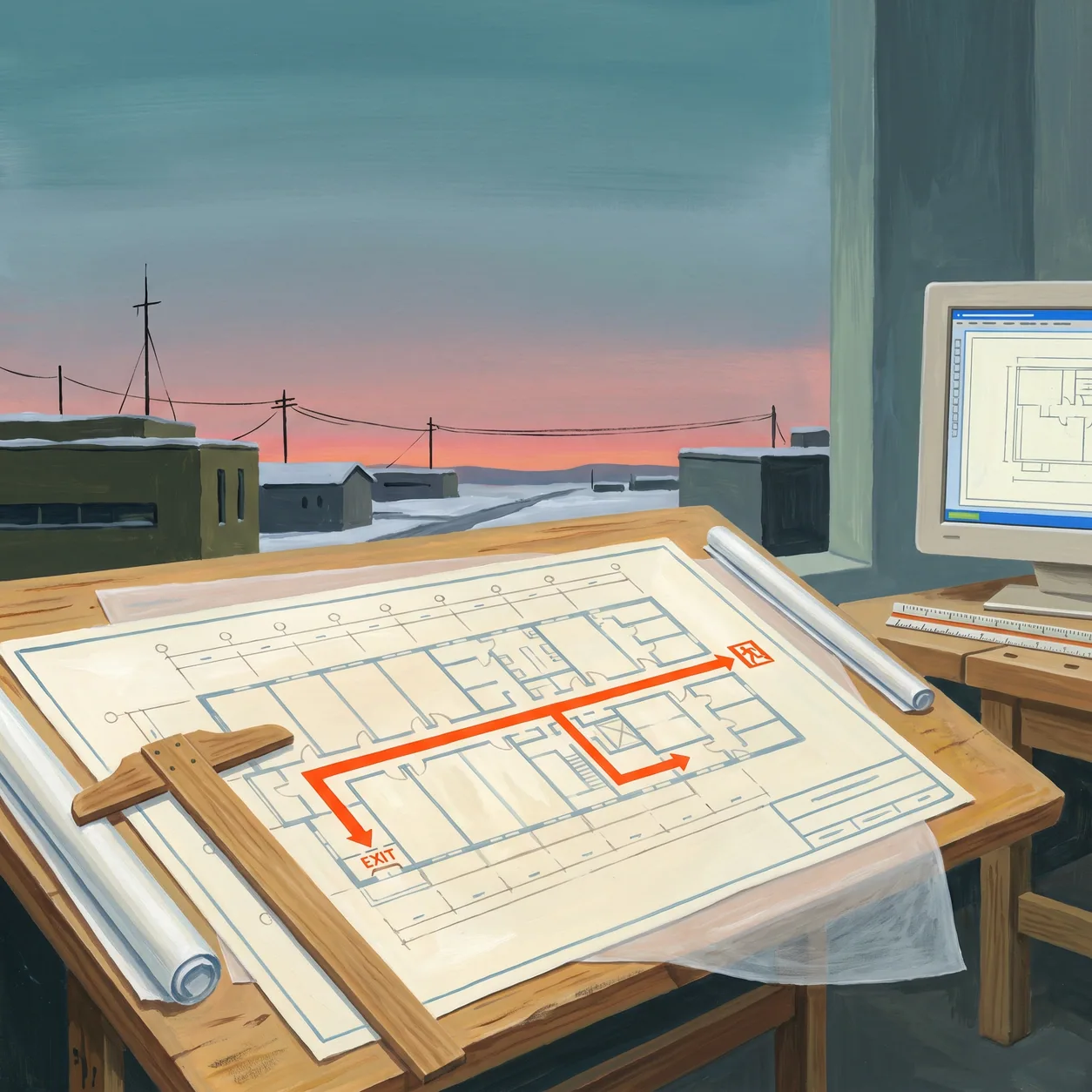
Evacuation procedures represent a fundamental layer of organizational design. They demand clear communication channels, predefined safe zones, and the ability to rapidly isolate compromised areas. The effectiveness of these procedures dictates the survival of the workforce during a crisis.
For institutions managing highly sensitive operations, the complexity of an evacuation multiplies. The physical architecture of a campus must support rapid egress while maintaining the security of restricted zones. Decision-makers must balance accessibility with containment.
The Limits of Technical Safeguards
Engineering culture naturally gravitates toward solving predictable mechanical or environmental failures. Redundancy is routinely built into power grids, data centers, and physical infrastructure. These safeguards are designed to manage known physical laws and expected wear.
However, human behavior introduces variables that defy standard risk models. A catastrophic breach of safety by an individual requires a response that technical fail-safes simply cannot provide. The human element remains the most volatile component of any complex system.
Leaders building sprawling operational centers must weigh these vulnerabilities carefully. The design of a workspace is not merely about optimizing daily productivity; it is fundamentally about managing the worst-case scenarios of human action.
True systemic resilience means preparing for the moment when a highly controlled environment suddenly shatters.
Sources
- Portal:Current events/2007 April 20 (revision 125733446) - Wikipedia, 2007-04-25T04:48:41Z