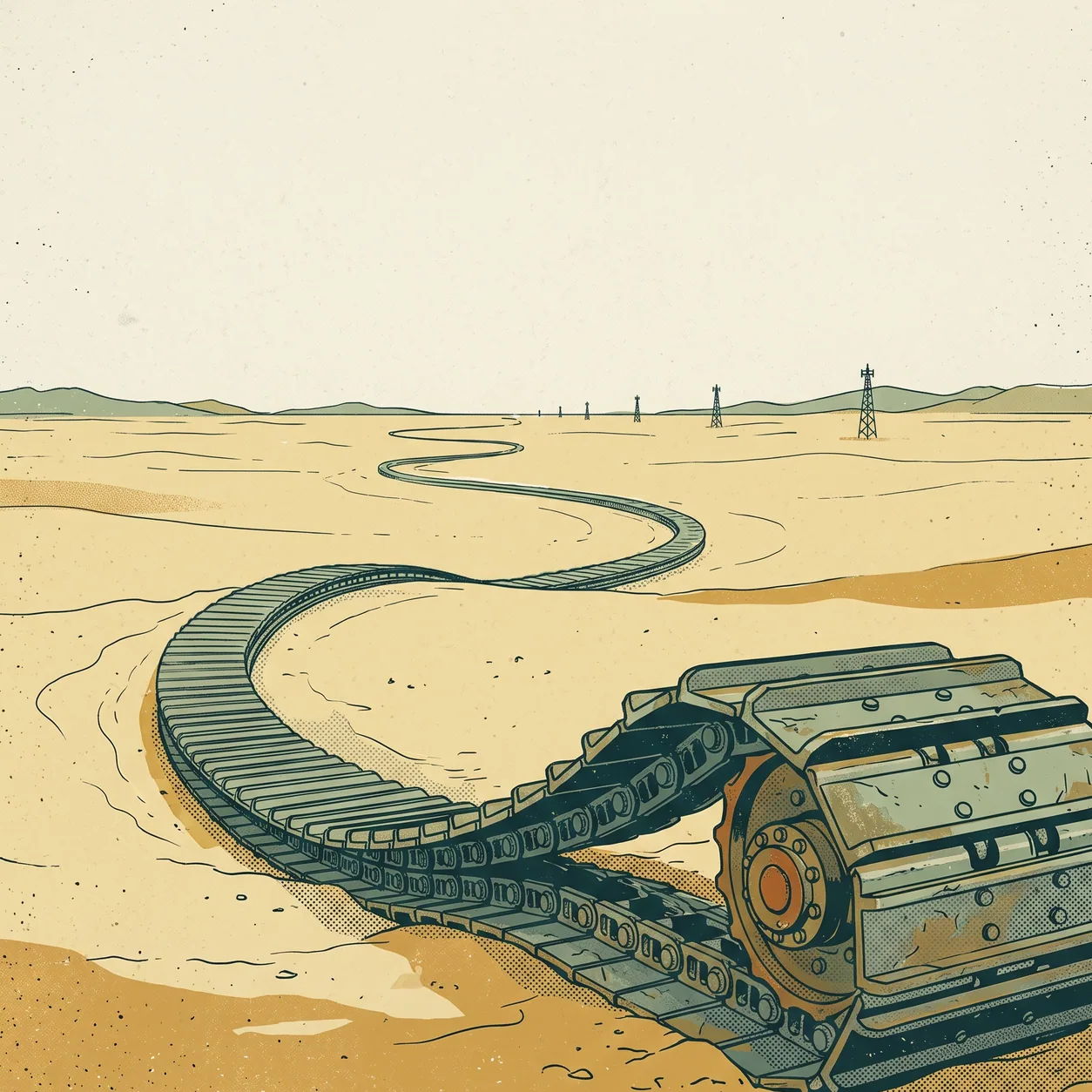
Long-term endeavors often depend less on rapid initial momentum than on steady operational continuity. In complex technical projects, true progress might accumulate through patient, repeated daily execution rather than dramatic leaps.
NASA reported that the agency's Mars Exploration Rover Opportunity completed its first Red Planet marathon of 26.219 miles (42.195 kilometers). The rover surpassed the marathon mark during a drive of 153 feet (46.5 meters). John Callas stated that this was the first time any human enterprise had exceeded the distance of a marathon on the surface of another world.
How Small Increments Can Build Massive Cumulative Reach
When teams design complex hardware or software architectures, they might often focus on immediate launch milestones. However, maintaining operating consistency across long stretches can arguably matter far more for overall reach. A single short movement, measured in modest distances, can eventually aggregate into major milestones if system reliability remains intact across extended timeframes.
This perspective could offer valuable insights for product developers, operational leaders, and systems architects. In many engineering environments, maintaining small, repeatable operational cycles might be the most reliable way to navigate unfamiliar territory. Short daily movements might seem minor in isolation, but they can gradually compound into unprecedented structural achievement when repeated consistently.
Furthermore, long-duration missions generally highlight the strategic importance of designing systems for prolonged resilience rather than short bursts of speed. Teams that build for longevity might find that patience and deliberate risk management allow physical or digital infrastructure to far outlast original expectations. When operating under extreme remote constraints, conservative execution can often preserve system health longer than aggressive expansion strategies.
By focusing on daily durability rather than speed, creators might better withstand unpredictable external conditions. In complex builds, steady pacing can reduce wear on core components, potentially extending the operational life of key assets.
Ultimately, long-distance achievements may demonstrate that durable performance relies more on sustained execution than on quick early gains.