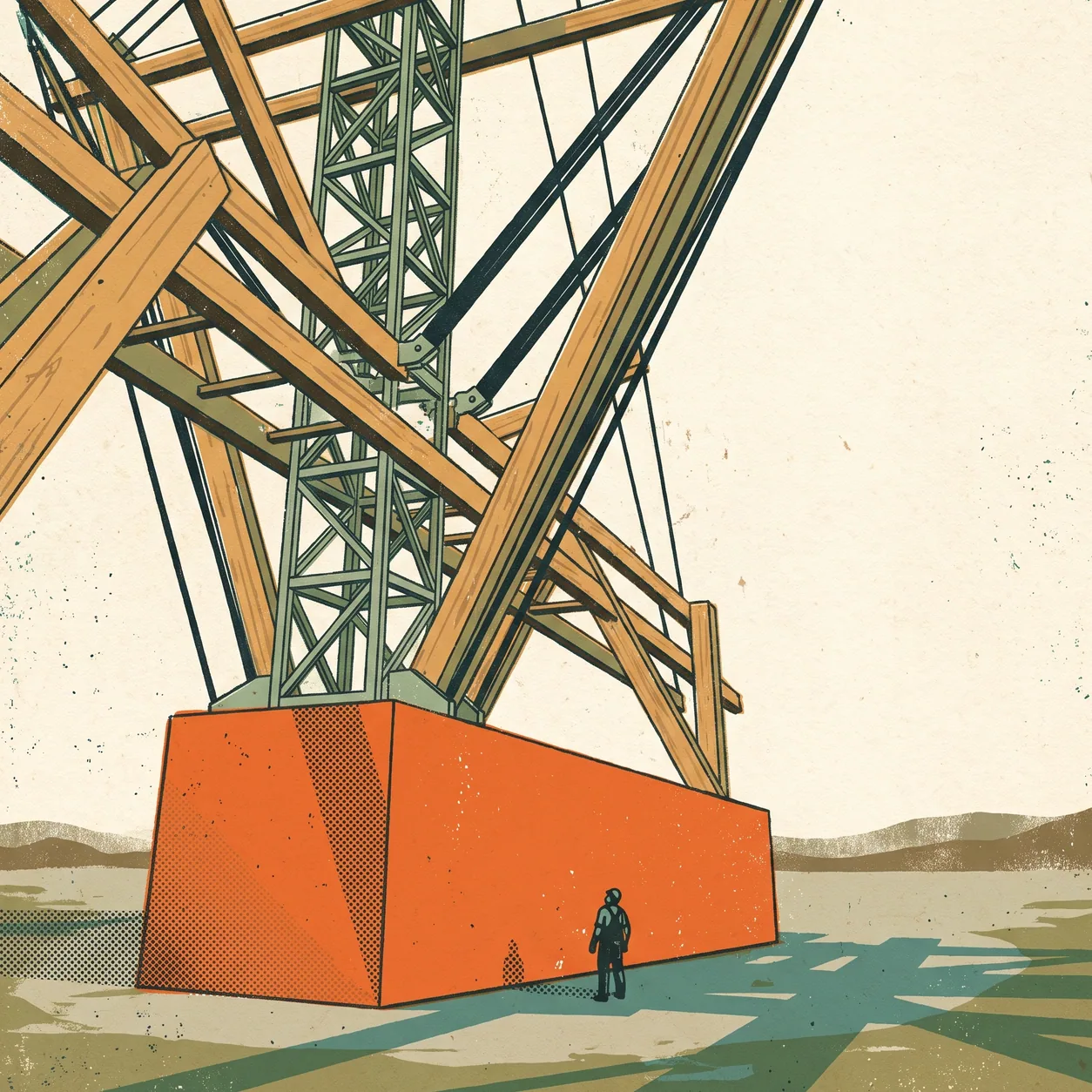
Large capital projects may benefit from early commitments. A single, high-profile tenant can help a development look less speculative.
Validating Massive Scale
Wikipedia's current events log for May 17, 2011, recorded that the publisher Condé Nast agreed to be the anchor tenant at One World Trade Center. Conde Nast Publications Inc. is the publisher of magazines including the New Yorker and Vanity Fair. The Port Authority of New York and New Jersey is building the skyscraper, which would be the nation’s tallest.
Large-scale construction involves significant financial exposure long before a structure is occupied.
The Function of an Anchor
An anchor tenant serves a specific mechanical purpose in project execution. Securing a recognized brand may signal viability to other prospective occupants and investors. This type of agreement provides a baseline of utility for a structure that requires immense capital to complete.
For builders and operators, the physical construction of a system is only one part of the equation. The commercial framework that sustains it must be assembled in parallel. A major tenant agreement can act as a stabilizing force for a high-value asset. It might demonstrate that the physical infrastructure has a defined, practical application in the market.
In general, without an anchor a large build may stay more of a proposal than a working enterprise, and a first major occupant can give later leasing a focus.
Perhaps building at this scale depends as much on commitments from occupants as on engineering.
Sources
- Portal:Current events/2011 May 17 (revision 429865606) - Wikipedia, 2011-05-19.
- Conde Nast Publications Is Nearing Deal to Move to One World Trade Center - Bloomberg - Bloomberg, 2011-05-17.