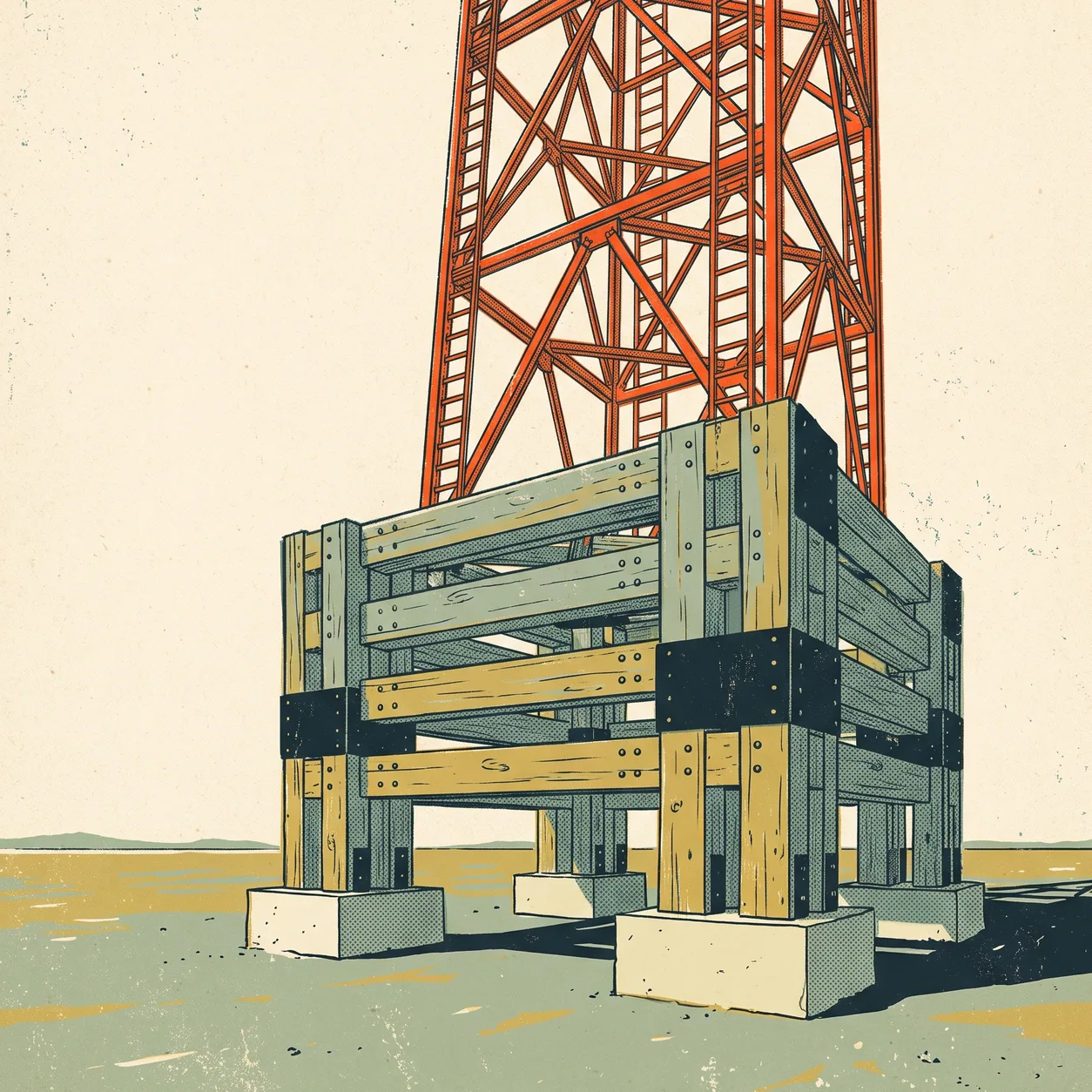
Large-scale engineering often requires separating immediate operational needs from ultimate ambitions. Building a system that can evolve its capacity over time reduces the risk of trying to deliver maximum performance in a single initial leap.
Wikipedia's current-events log for September 14, 2011, recorded that NASA announces plans for a Space Launch System to replace the Space Shuttle program with the first flight tentatively scheduled for 2017. NASA has selected the design of a new Space Launch System that will take the agency's astronauts farther into space than ever before. The SLS will carry human crews beyond low Earth orbit in a capsule named the Orion Multi-Purpose Crew Vehicle.
Scaling Capacity Through Architecture
The heavy-lift rocket's early flights will be capable of lifting 70-100 metric tons before evolving to a lift capacity of 130 metric tons.
The transition from a low-Earth-orbit program to deep space exploration requires a fundamental shift in vehicle architecture. Designing a rocket to evolve its payload capacity suggests a strategy of establishing a functional baseline first. By targeting a lower initial threshold, engineering teams can validate the core structural and propulsion systems in active flight. Once the baseline is proven, the architecture can be expanded to meet the demands of heavier, more complex missions.
When a project's ultimate goal pushes the boundaries of current capability, attempting to build the final version immediately often introduces compounding points of failure. An evolutionary approach allows for incremental learning. The initial configuration provides a working platform, while the planned upgrades offer a clear roadmap for future development. This method of phased development may help manage the immense technical variables inherent in aerospace engineering.
True scalability is not just about building something massive, but engineering a foundation that is explicitly designed to grow.
Sources
- Portal:Current events/2011 September 14 (revision 451213308) - Wikipedia, 2011-09-18
- NASA - NASA Announces Design For New Deep Space Exploration System - NASA, 2011-09-14