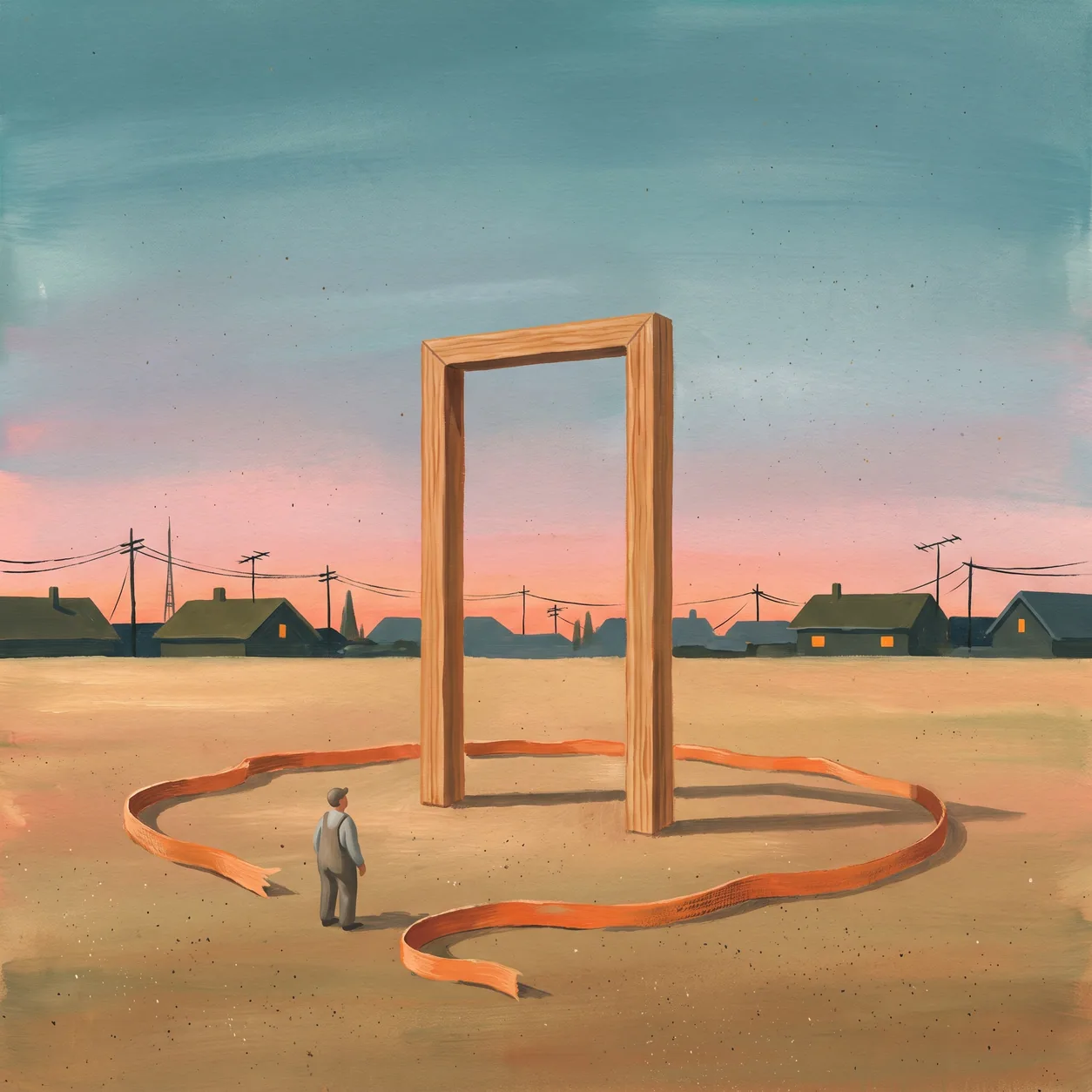
Dedicated community spaces are designed to provide safety and connection, but their physical infrastructure remains vulnerable to external disruption. When a sanctuary is breached, the failure is not just physical, but a collapse of the intended environment.
The Vulnerability of Open Spaces
Building a physical space for a specific demographic requires more than securing a location and opening doors; it requires anticipating the unique threat models that the group faces in the broader society. Wikipedia's current-events log for August 1, 2009, recorded that at least two people were killed and at least fifteen were wounded in a shooting attack at a building frequented by gay youths.
The violence occurred late in the evening. Gunshots from an automatic weapon were heard at the gay youth center in the heart of Tel Aviv at around 10:40 pm. Ynetnews reported that two people were murdered in the attack and 10 were injured, four of them sustaining serious wounds. The names of the two victims were cleared for publication on a Sunday morning: Nir Katz, 26, of Givatayim, and Liz Trubeshi, 16, of Holon.
Balancing Access and Defense
A youth center operates on the premise of trust and accessibility. When violence penetrates that perimeter, it forces a reevaluation of how open environments balance welcoming design with necessary defense mechanisms. For those who design and manage physical community hubs, the challenge is maintaining an inviting atmosphere while hardening the perimeter against targeted hostility.
The sudden disruption of a safe environment demonstrates that operational planning cannot rely solely on the assumption of a benign public. Security protocols, emergency exits, and access controls must be integrated into the foundation of the space without making it feel like a fortress. This tension between openness and security is a fundamental problem in systems design.
True infrastructure must protect the community it serves, not just house it.
Sources
- Portal:Current events/2009 August 1 (revision 308274848) - Wikipedia, 2009-08-16
- 2 killed in Tel Aviv gay center shooting - Ynetnews, 2009-08-01