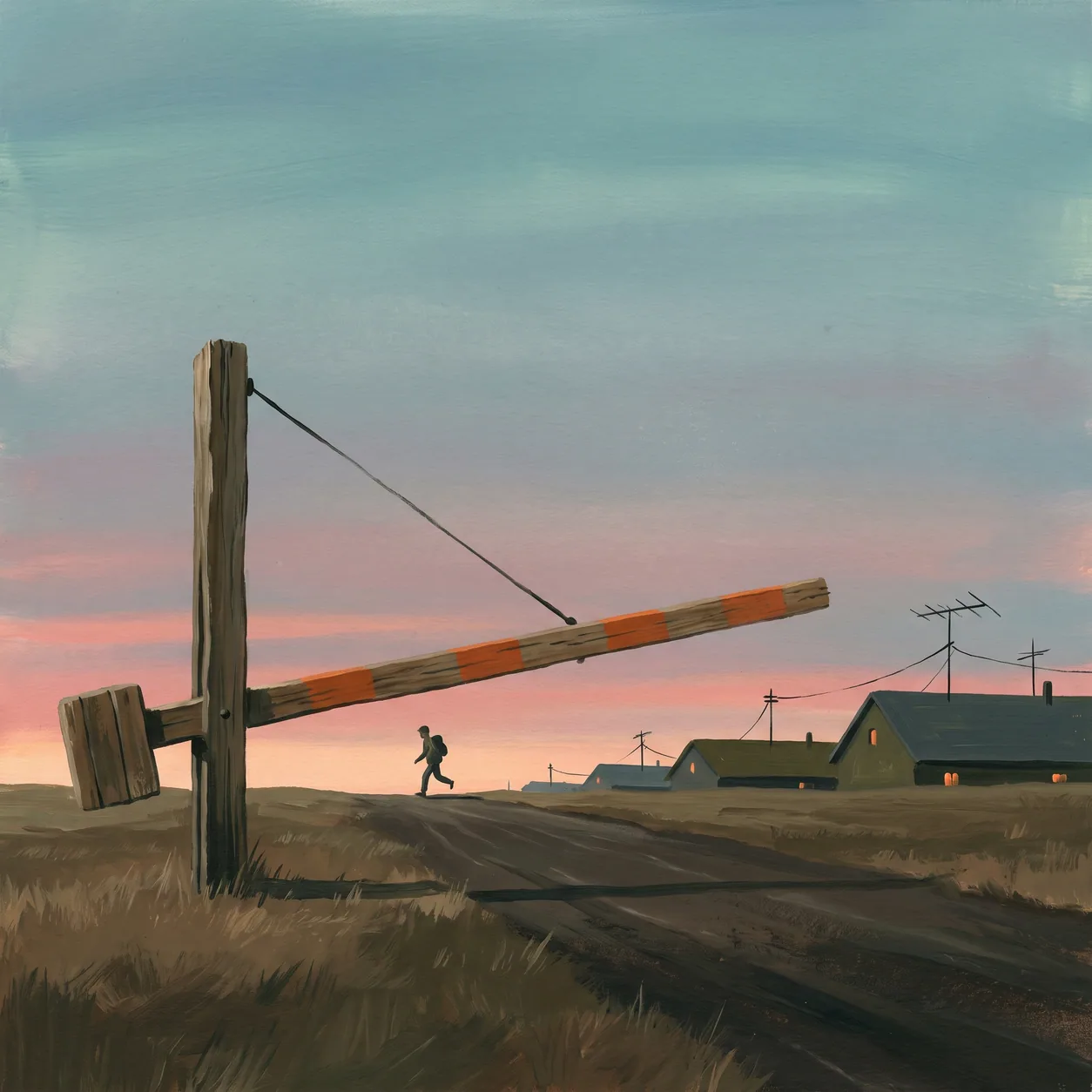
Constraints shape behavior, but the mere anticipation of a constraint can alter the timeline of action entirely. When a system prepares to halt a specific activity, the window just before the stoppage often sees a concentrated spike in that exact behavior.
Wikipedia's current-events portal for September 4, 2009, recorded that Israeli Prime Minister Benjamin Netanyahu is to approve new settlements in the West Bank before a building freeze.
The Calculus of Artificial Scarcity
A looming pause changes the fundamental calculus of decision-making. If an option might soon disappear, securing it becomes an immediate priority, regardless of the original timeline. The boundary creates an artificial scarcity in time, prompting actors to pull forward future plans into the present.
This dynamic appears across complex environments, from resource allocation to organizational policy. Systems rarely absorb a pending restriction passively. Instead, participants may rush to establish a baseline, secure approvals, or finalize projects while the existing rules remain active. The transition period between an open state and a frozen state is often highly volatile.
Managing the Transition Window
When designing a pause or a restriction within any framework, the announcement itself acts as a catalyst. The gap between declaring a freeze and implementing it provides a final opportunity for action. One reading is that this gap guarantees a surge, as stakeholders move to protect their interests before the door closes.
Understanding this behavioral shift is crucial for managing transitions. A restriction intended to cool down an environment might temporarily heat it up instead. The design of the boundary determines the intensity of the rush.
A planned freeze might not merely pause a system; it may first force it into overdrive.
Sources
- Portal:Current events/2009 September 4 (revision 316919455) - Wikipedia, 2009-09-29T17:13:09Z