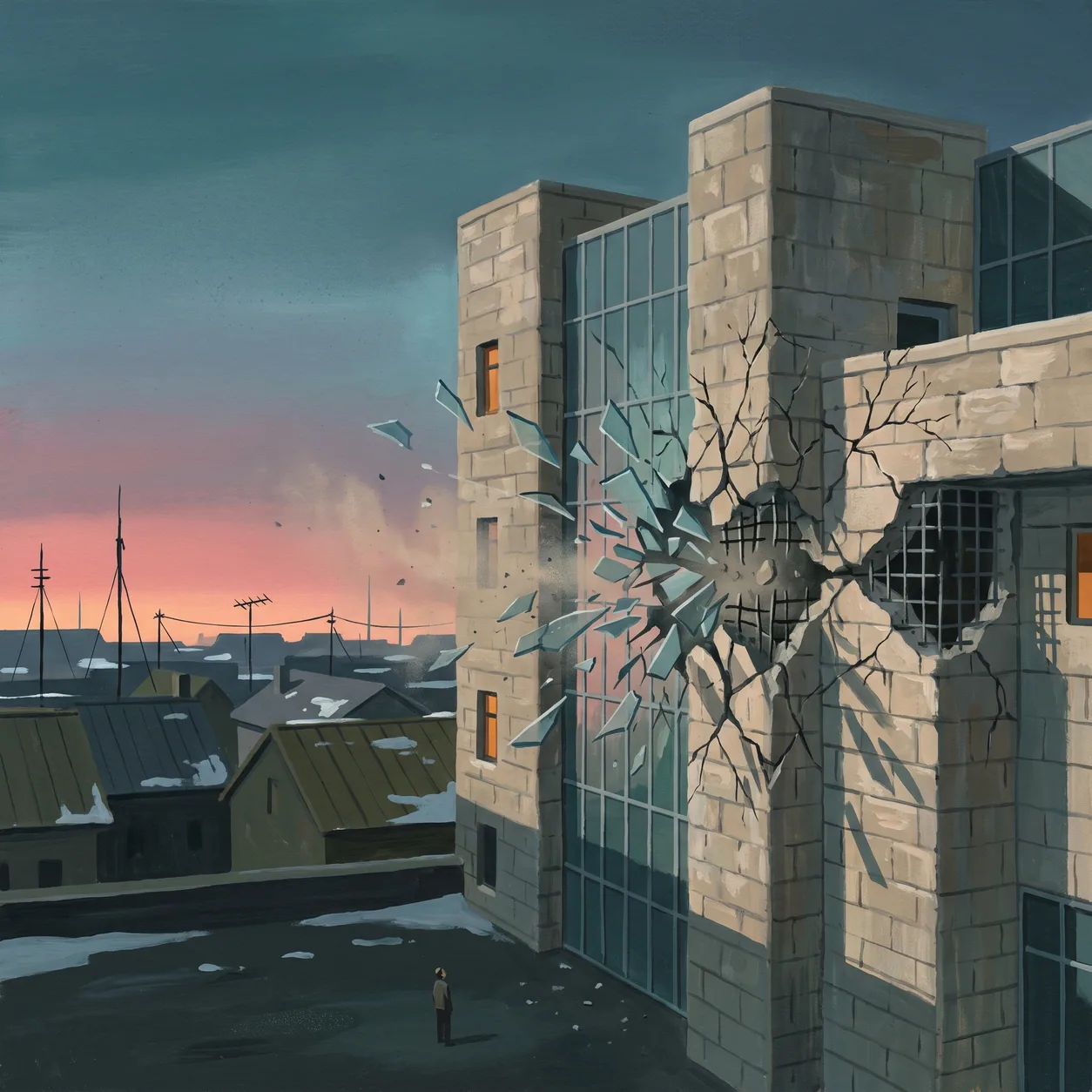
Abstract security protocols often fail to account for brute-force physical disruptions. When a perimeter is breached by crude methods, theoretical models of safety immediately give way to the raw mechanics of structural resilience and crisis management.
Wikipedia's current-events log for October 26, 2007, recorded that an explosion shakes the Mexican consulate in New York City. The site said the explosion was caused by two thrown hand grenades aided by additional explosive material. According to the log, 7 injuries were reported, with several windows blown out and debris.
Assessing Perimeter Vulnerabilities
Facilities designed for administrative functions operate under the assumption of a stable, predictable environment. A sudden introduction of kinetic force shatters that baseline assumption. In general, procedures designed for routine days are tested by events that fall outside them.
Organizations must then pivot instantly from routine operations to emergency triage. The immediate aftermath requires rapid assessment, separating critical structural failures from superficial damage.
The Limits of Anticipation
Builders of secure environments constantly weigh the probability of extreme events against the daily utility of the space. Hardening a structure against every conceivable vector often degrades its primary function as a welcoming, public-facing entity.
The core challenge lies in designing physical and operational architectures that can absorb unexpected shocks without collapsing the broader framework. When raw force interrupts standard procedures, the priority shifts entirely to containment and recovery. Plans made in advance meet conditions that no plan fully anticipates.
A system's true strength is defined by how it absorbs the impacts it never planned to catch.
Sources
- Portal:Current events/2007 October 26 (revision 167798861) - Wikipedia, 2007-10-29