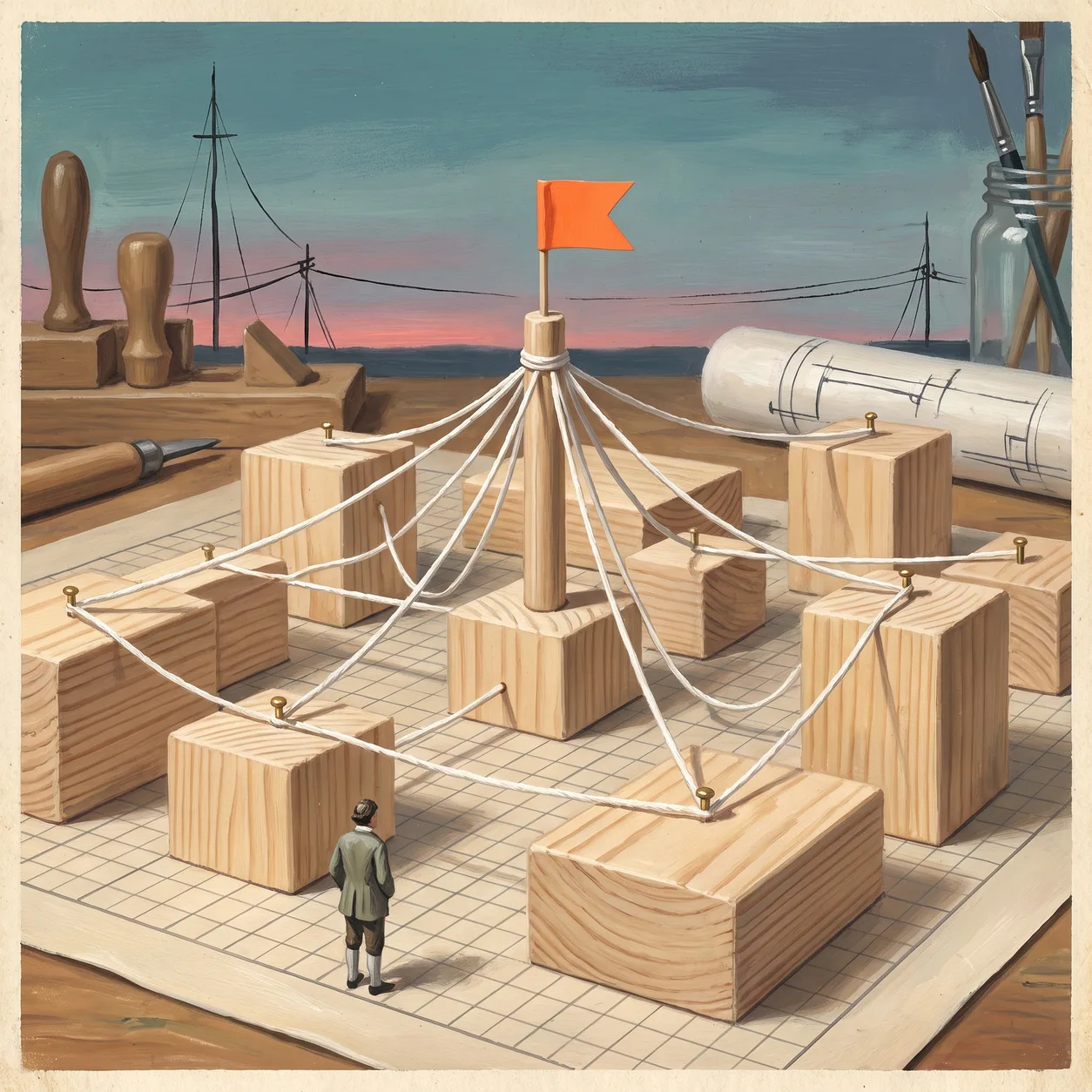
Control within any distributed system requires more than abstract influence. It demands the physical occupation of critical nodes and the immediate, visible broadcast of that new authority. When a localized entity seizes a structural hub, the entire network must recalibrate its operational assumptions.
Wikipedia's current-events log for November 7, 2007, recorded that Taliban militants capture the Pakistani town of Madyan in Waziristan's Swat region and hoist their flags over buildings.
The Mechanics of Node Capture
Taking a physical location represents the seizure of a logistical and operational node. In systems theory, a node serves as a routing point for resources, communication, and authority. Capturing it disrupts the existing flow and forces the surrounding infrastructure to route around the blockage or submit to the new routing rules.
The act of raising a flag over a structure is not merely symbolic. It functions as a broadcast mechanism, signaling a definitive state change to the rest of the network. This visible marker of control serves as a deterrent and a declaration of a new operational baseline.
Broadcasting State Changes
When a system undergoes a localized takeover, the immediate priority of the capturing force is to establish visibility. Visibility enforces compliance. It communicates to both internal actors and external observers that the previous rules of engagement no longer apply.
For strategists analyzing system vulnerabilities, this highlights a core principle of structural resilience. Decentralized networks are only as robust as their individual hubs. If a localized force can isolate, hold, and broadcast control over a hub, the broader system's integrity fractures. The speed at which a system can respond to this broadcast determines its capacity to survive the disruption.
True systemic disruption relies not just on taking ground, but on ensuring the rest of the network instantly recognizes the new architecture of control.
Sources
- Portal:Current events/2007 November 7 (revision 172373913) - Wikipedia, 2007-11-18T23:14:36Z.