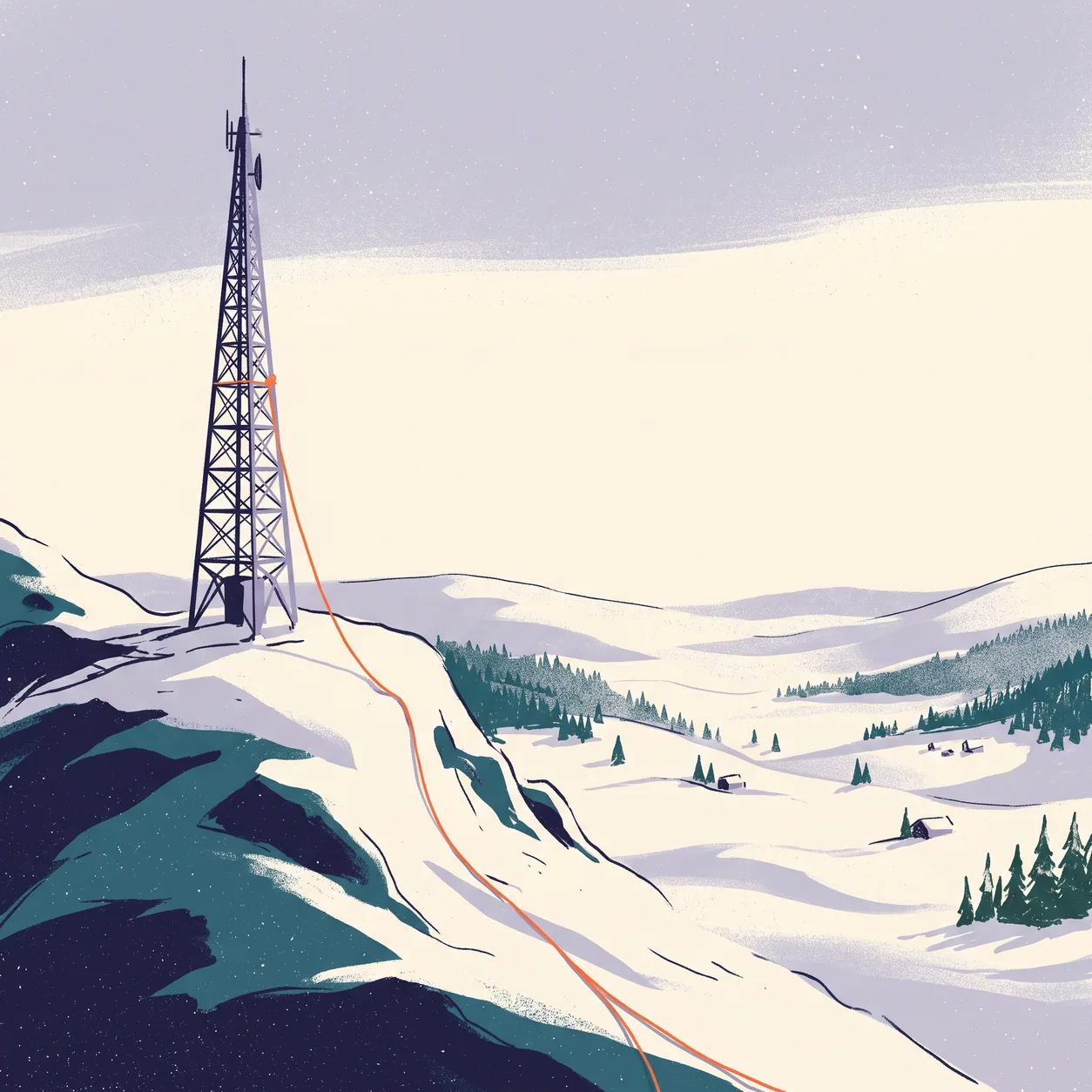
Replacing established technical standards with newer network systems may require operators to navigate operational transition friction. A planned system upgrade might seem simple from an engineering standpoint, yet operational success could depend on how effectively teams account for existing hardware habits.
Wikipedia's current-events log for January 11, 2017 recorded that Norway becomes the first country to start a complete switch-off of national FM radio stations. The change, from the analogue FM system to digital audio broadcasting, was expected to be completed by the end of the year, the same January 11, 2017 log entry added. Some, such as the Norwegian Local Radio Association, are concerned about the impact on motorists and the elderly.
Why can hardware transitions create operational friction?
When an existing architecture provides universal access, deprecating that standard can expose gaps in user readiness. Legacy infrastructure may function as a reliable baseline, meaning that forced migrations could create unexpected burdens for peripheral audiences. System architects might prioritize network efficiency or broader signal capacity, but end users can experience the change as an immediate cost or inconvenience.
Upgrading shared protocols may require physical device updates across distributed populations. While centralized operators can control transmit capabilities directly, receiver upgrades may rely entirely on individual decisions. This mismatch in deployment speeds could mean that critical segments of an audience might temporarily lose access during a rapid phase-out.
How might operators balance system efficiency against user readiness?
Managing large-scale migrations arguably demands clear timelines combined with supportive transition pathways. Planners might reduce friction by offering extended grace periods or targeted support for vulnerable user groups. Without careful coordination, sunsetting a dependable platform could risk alienating key stakeholders who rely on older access methods.
In addition, legacy technologies might benefit from decades of hardware saturation and user familiarity. Introducing modern standards can offer improved performance, yet the adoption curve might stay flat unless replacement systems become accessible and affordable. Organizations evaluating major platform retirements might find that technological superiority alone could be insufficient to ensure smooth community adoption.
Long-term infrastructure modernization may ultimately depend as much on user adaptation strategies as on network capabilities.
Sources
- Portal:Current events/2017 January 11 (revision 760097048) - Wikipedia, 2017-01-14