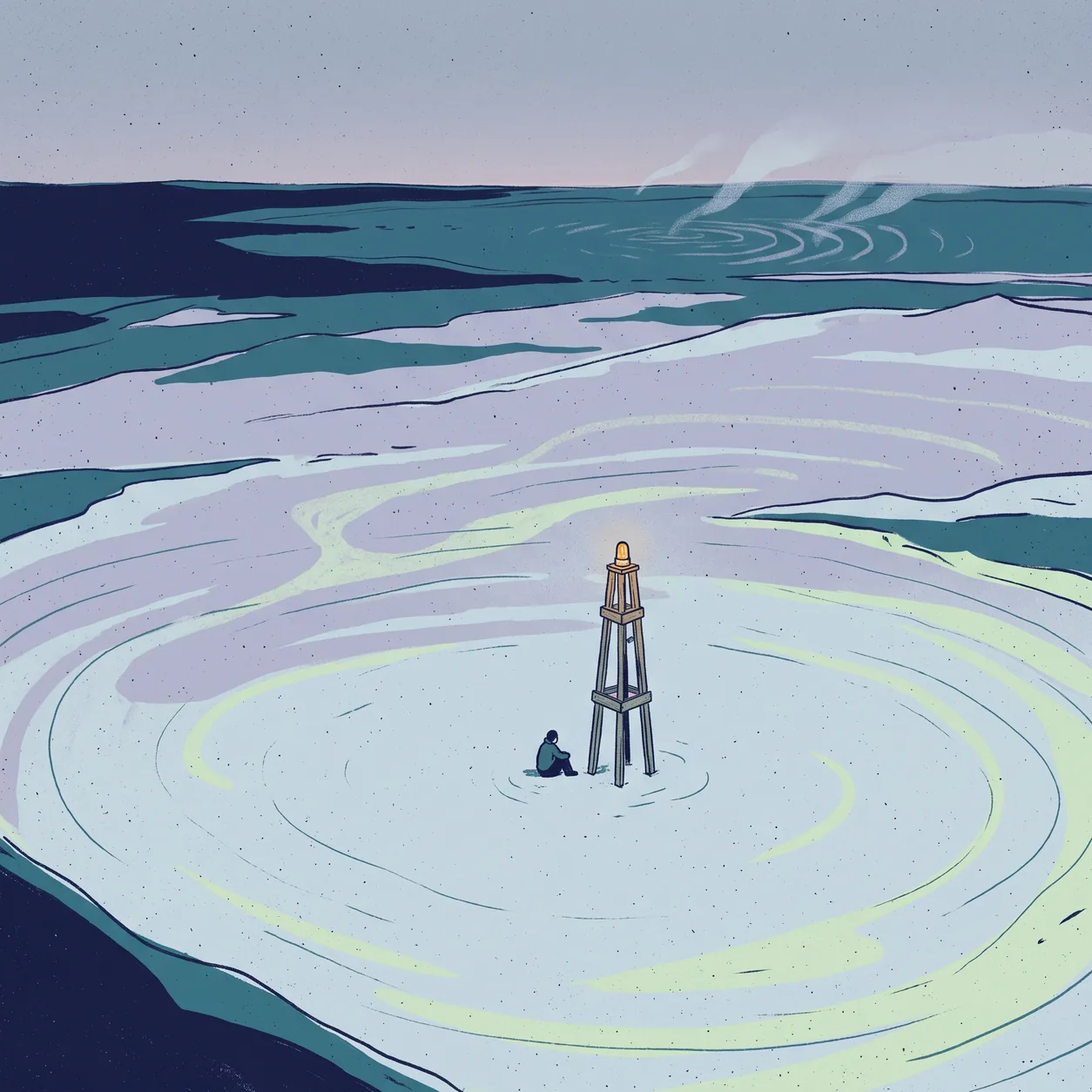
System validation might often depend on gathering indirect signals over long timelines rather than expecting instant answers. In complex architectures, internal states may not always be open to direct inspection, which might push teams to evaluate ambient outputs instead.
Enceladus is a small (502km in diameter) moon with an icy surface, a rocky interior and an ocean of liquid water sandwiched between the two. Cassini discovered back in 2005 that Enceladus is venting water into space. In March 2015, Cassini detected microscopic particles of silica.
How small clues can establish environmental possibilities
Analyzing isolated telemetry markers could allow engineers to map hidden internal environments that might not be directly accessible. When direct physical sampling seems impossible, tracking external venting or trace particles might provide a reliable window into underlying operations. Such long-duration telemetry gathering could help teams gradually build comprehensive models of concealed internal mechanisms. In many systems, observing continuous ambient emissions can offer sufficient evidence to infer the baseline chemical or structural properties of an unseen core environment.
Why patience could be essential for complex diagnostic systems
Builders working on intricate architectures can draw valuable operational lessons from long-term diagnostic efforts. Initial data points might appear modest or isolated at first, yet persistent monitoring across years could reveal broader functional traits. When engineering teams maintain stable observational pipelines, initial anomalies may eventually aggregate into meaningful structural conclusions. High-level evaluations could fail if teams demand immediate complete visibility rather than allowing evidence to accumulate systematically over time.
System assessment might benefit from treating remote diagnostic telemetry as a cumulative process rather than a single event. Recognizing minor environmental indicators can prevent operators from prematurely dismissing viable operational opportunities or misinterpreting baseline system stability. Complex analytical workflows might require steady baseline tracking across extended periods before definitive structural conclusions can be reached safely.
Determining whether a distant environment can support sustained activity could depend far more on sustained signal collection than on immediate direct access.
Sources
- NASA: Saturn moon Enceladus is able to host life – it's time for a new mission - The Conversation, April 13, 2017