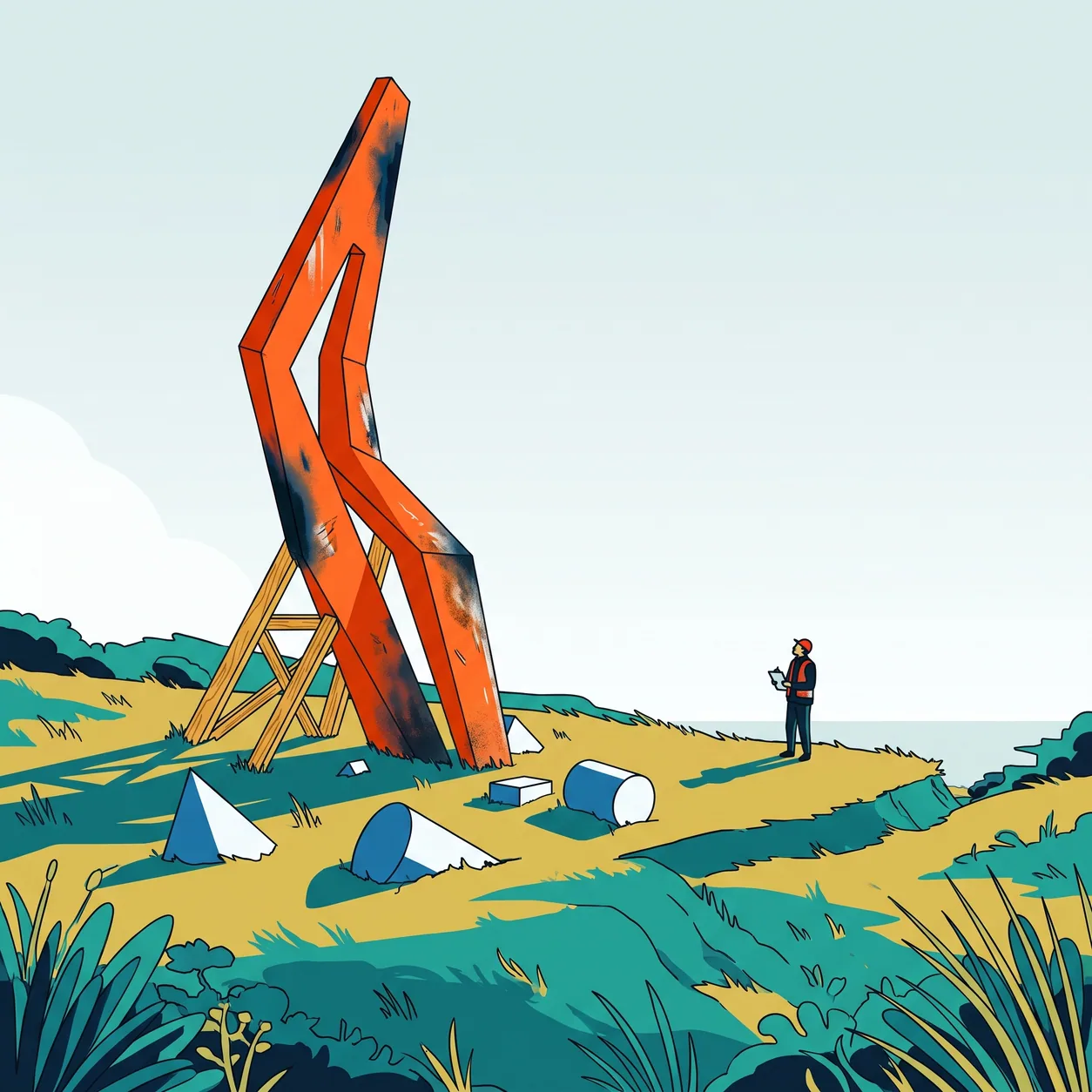
Engineers who build physical systems may often face a choice between exhaustive design preparation and rapid real-world testing. While theoretical models can predict baseline behavior, live flight data might expose unexpected environmental pressures that digital simulations could easily overlook. Early operational friction may therefore serve as an essential diagnostic tool rather than a sign of fundamental defect.
Wikipedia's current-events log for March 14, 2024 recorded that SpaceX successfully launched the first Starship rocket, the most powerful rocket ever built, at Starbase in Texas, United States, after two previous failed attempts. The same entry recorded that the rocket was destroyed during re-entry.
Why Iterative Prototype Failure May Advance Complex System Design
When complex engineering projects encounter severe destruction during trial flights, observers might initially view the event as a significant setback. However, incremental trials can yield crucial physical telemetry that controlled laboratory facilities could rarely reproduce. A full test flight, even when followed by vehicle loss, might supply engineering teams with necessary empirical measurements regarding thermal stress, aerodynamics, and structural loads.
In general, testing early prototypes under actual working conditions can allow product creators to isolate specific points of structural weakness. Rather than waiting for a fully perfected design, launching early versions may accelerate the discovery of critical systemic flaws. A failure occurring during an active test flight might therefore save months of theoretical guesswork by pinpointing exact operational limits under stress.
How Partial Success Might Reframe Product Development Goals
In software and hardware execution alike, defining progress through incremental milestones can fundamentally alter project trajectories. A prototype might not need to complete its full intended trajectory to provide practical value to its builders. Partial operational milestones can validate core propulsion mechanisms while highlighting downstream atmospheric challenges that could demand further design refinement.
Teams that adopt an iterative execution strategy might view vehicle loss during re-entry as one step in a longer learning process. Progress in pioneering technical fields could depend heavily on accepting high-visibility public failures in exchange for unprecedented operational data. By continually stress-testing physical hardware against extreme natural environments, builders may gradually convert systemic volatility into predictable design routines.
In the end, enduring structural resilience might depend on accepting partial mission outcomes as stepping stones toward eventual operational stability.
Sources
- Portal:Current events/2024 March 14 (revision 1214364165) - Wikipedia, 2024-03-18.