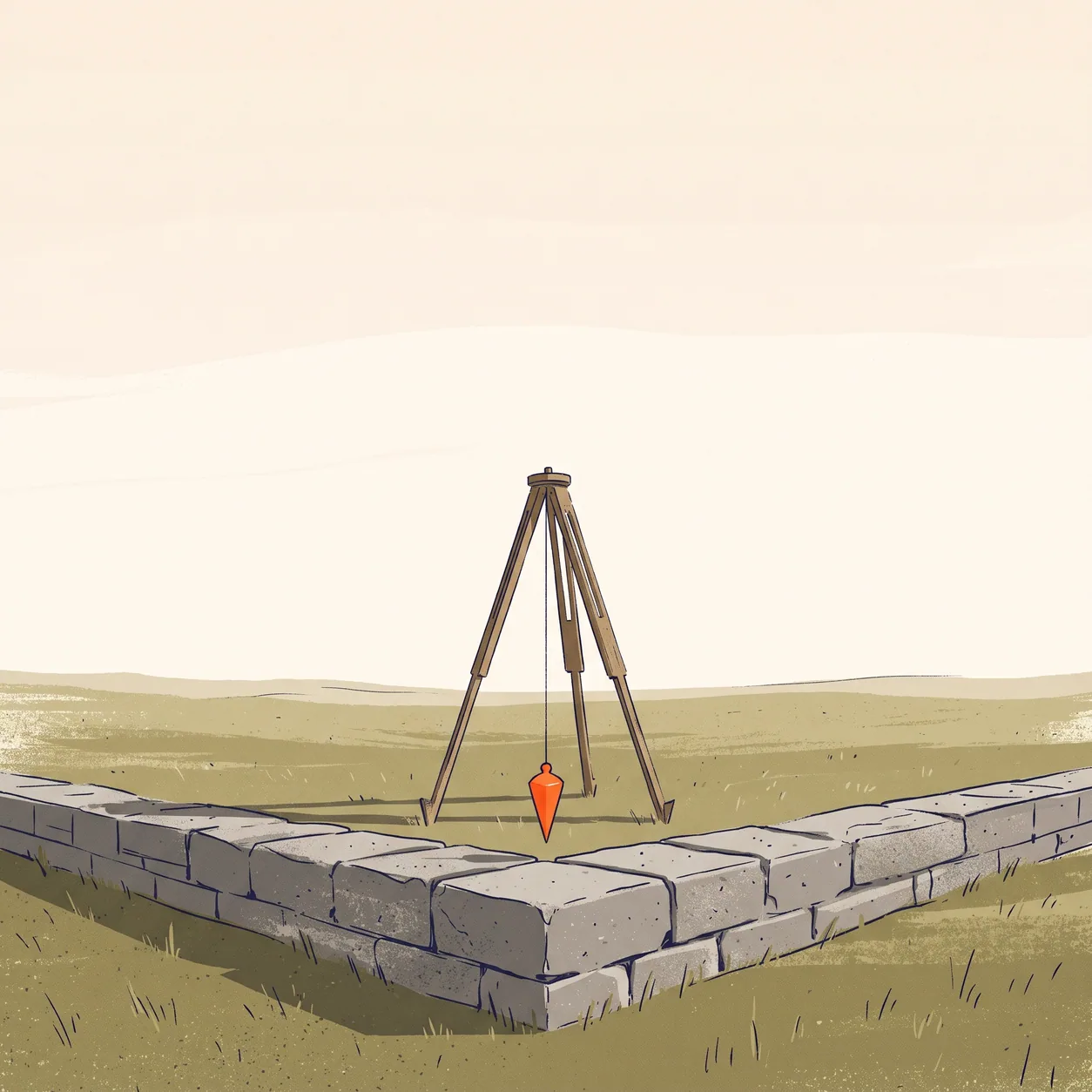
Structural foundations can outlast the specific tools or formats originally intended to inhabit a space. In many complex operational environments, early architectural choices might shape organizational memory long after individual tools, media, or workflows have vanished. Examining historical discoveries could help clarify how permanent boundaries influence functional resilience over long time horizons.
Wikipedia's current-events log for August 2, 2018 recorded that archeologists of the Romano-Germanic Museum reported the discovery of the foundations of a Roman library building in Cologne. Wikipedia's current-events log added that, dating from the 2nd century CE, the library is the oldest yet discovered in Germany.
Why Core Architecture Might Define Long-Term Viability
Ancient physical remains can offer a compelling perspective for modern software and systems builders. While individual items, documents, or technical assets might degrade or disappear over time, an underlying structural layout could continue to reveal how information was systematically organized, protected, and retrieved. System designers might therefore gain valuable insight by analyzing how physical and conceptual constraints dictate systemic longevity.
When modern engineering teams build technical platforms or organizational workflows, focusing predominantly on immediate feature sets can easily obscure deeper structural requirements. A resilient architecture might permit internal components to evolve, undergo complete replacement, or disappear without destabilizing the surrounding frame. Conversely, fragile framework design could risk widespread systemic breakdown whenever unexpected operational shifts alter primary requirements.
How Systems Thinkers Could Design for Longevity
Designing durable platforms may require a deliberate conceptual separation between structural containers and the transient elements housed within them. One reading is that systems architects could treat core frameworks as long-term foundational investments while ensuring internal processes remain modular. When core boundaries provide dependable support, future maintainers can potentially inspect, repair, or adapt complex environments with significantly less friction.
Furthermore, clear structural boundaries might reduce the cognitive burden on teams tasked with long-term maintenance. When foundational rules are clearly delineated, maintainers might easily discern where new modifications fit without disturbing legacy logic. Such clarity can perhaps prevent architectural drift, allowing complex endeavors to remain coherent even across major generational transitions.
Ultimately, long-term resilience may depend less on predicting specific future contents and more on establishing clear, adaptable structural parameters today.
Sources
- Portal:Current events/2018 August 2 (revision 855356701) - Wikipedia, August 17, 2018.