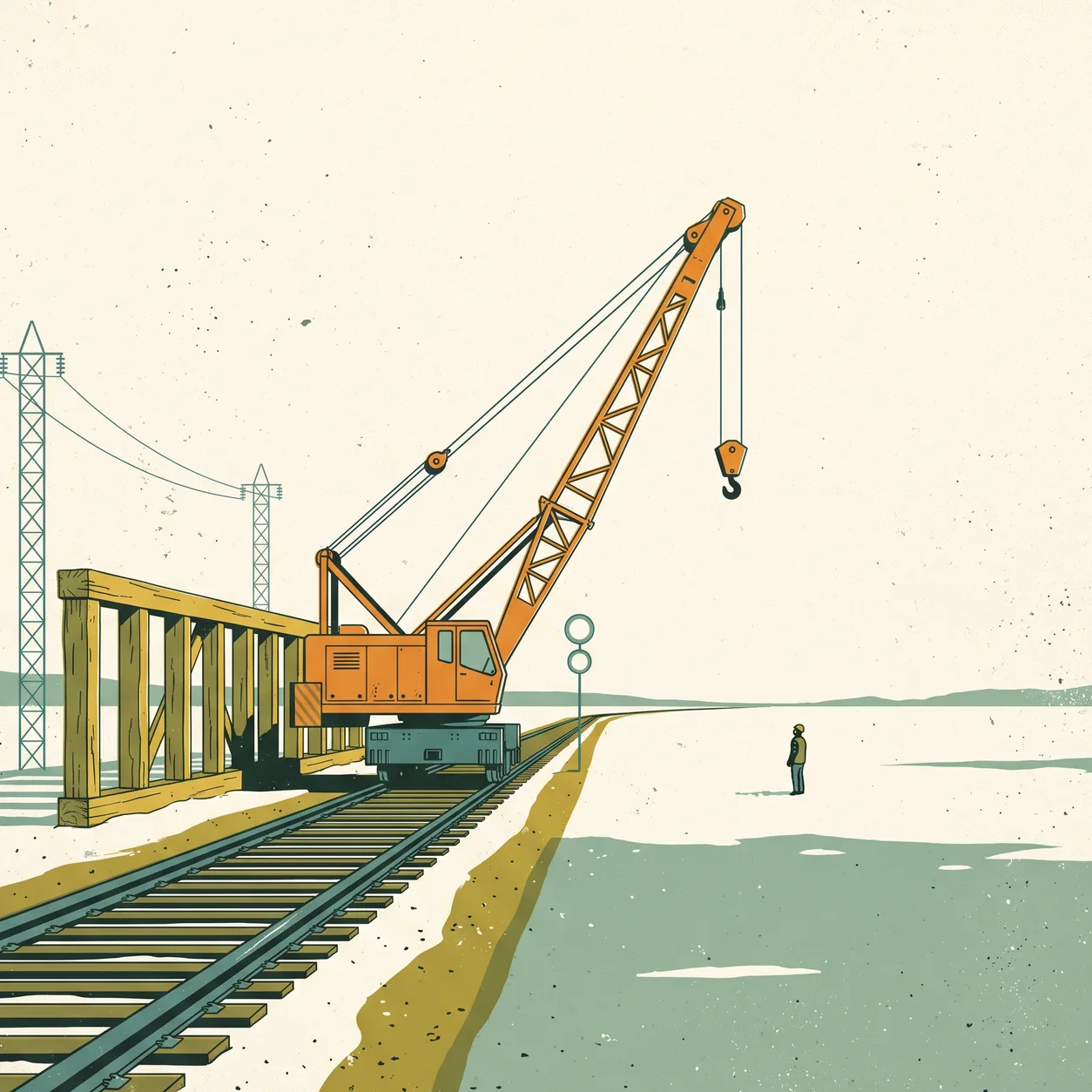
Continuous operation may hide the limits of the underlying infrastructure. To reach higher performance and handle future demand, some complex technical systems may need to stop active output for a period of major structural work. The Large Hadron Collider (LHC) will switch off for two years, giving time for engineers and scientists to install upgrades to the machine.
CERN announced that the LHC begins its first long shutdown, designated as LS1. CERN scheduled LHC running to resume in 2015, with the rest of the CERN complex starting up again in the second half of 2014. During the last weeks of the run, the figure of 100 petabytes of data stored in the CERN mass-storage systems was surpassed.
Why planned downtime enables higher scale
Maintaining unbroken availability might seem like the main proof of system health, but in many systems, running without a break can arguably let hidden technical debt build up. As storage needs and workloads grow, patching live infrastructure without a pause may arguably carry more risk. A pause in routine operations may give engineering teams room for larger, foundational upgrades that piecemeal maintenance during active running might not allow.
Offline periods may also offer a chance for thorough safety checks and hardware adjustments. Many physical and software systems arguably wear down in ways that become harder to address while they stay in constant use. In general, a scheduled halt can let operators replace worn parts, add diagnostic tools and recheck complex connections. Such planned work may reduce the risk of the larger failures that unplanned disruptions can bring. A full pause may also let engineers test changes without putting live data at risk. A controlled pause of this kind may leave more operating margin and reliability once work resumes.
Building for long-term scale may mean treating deliberate pauses as investments rather than as failures. Teams that treat downtime as a failure mode may find themselves constrained by early architectural decisions. In this view, resilience may depend less on continuous uptime than on the discipline to stop, rework and build for the next order of magnitude.
Sources
- Portal:Current events/2013 February 14 (revision 538968301) - Wikipedia, 2013-02-19
- First three-year LHC running period reaches a conclusion | CERN press office - CERN, 2013-02-14