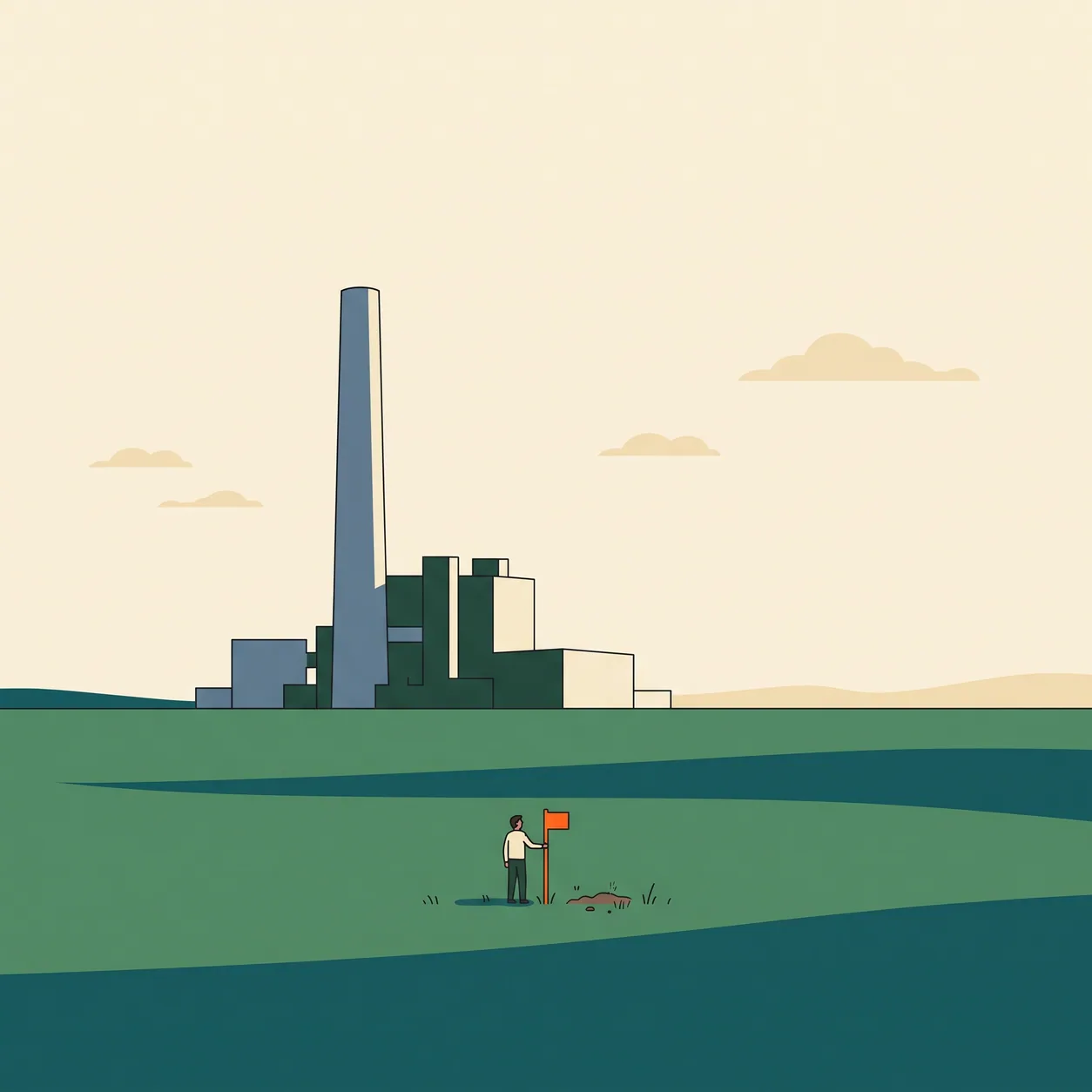
Sunsetting legacy architecture can be one of the most demanding phases of system execution. While starting a new build can arguably garner more attention, deliberate decommissioning might represent the true test of long-term planning. Wikipedia's current-events log for September 30, 2024 recorded that the last coal-fired power station in the United Kingdom shuts down in Ratcliffe-on-Soar, Nottinghamshire, ending the 142-year history of coal-fired electricity in the UK. In addition, an economic survey stated that the United Kingdom is a front runner in the progress to reach net zero by 2050.
How Legacy Retirement May Reshape Complex Operations
Engineers and system builders might frequently face the temptation to maintain legacy components alongside newer alternatives indefinitely. However, maintaining dual pathways can increase operational overhead, fragment team focus, and prolong technical friction. A firm commitment to an explicit shutdown date may force teams to address underlying dependencies directly rather than deferring difficult engineering trade-offs. Without a firm endpoint, legacy processes could linger indefinitely, potentially diverting energy and resources away from modern solutions.
Planned closures can also serve as signaling mechanisms within broader technical and industrial ecosystems. When operators establish clear boundaries and definitive timelines, market participants may adjust their long-term capital allocation, research focus, and technical roadmaps accordingly. A complete transition might not simply be about removing an old component; it can actively create the space required for new standards and infrastructure to mature. Decisive execution in decommissioning might therefore be viewed as a fundamental prerequisite for sustained, systemic innovation.
Why Active Phase-Outs Could Matter for System Designers
From a systems perspective, the difficulty of shutting down foundational infrastructure may stem from deep-seated integration across multiple operational layers. Decades of built-up dependencies can make any sudden disconnection seem exceptionally risky to maintainers. Yet, structured phase-outs might demonstrate how complex networks can transition gracefully if managed with steady foresight. Managed retirements could allow operators to migrate critical workloads, validate alternative capacities, and gradually reduce reliance on historic baselines without causing systemic disruption or unexpected outages.
Ultimately, ending an era of foundational technology may be less about abandoning historical accomplishments and more about clearing the path for future systemic evolution.
Sources
- Portal:Current events/2024 September 30 (revision 1248697117) - Wikipedia, 2024-09-30
- OECD Economic Surveys: United Kingdom 2024 | OECD - OECD economic surveys. United Kingdom, 2024-09-11