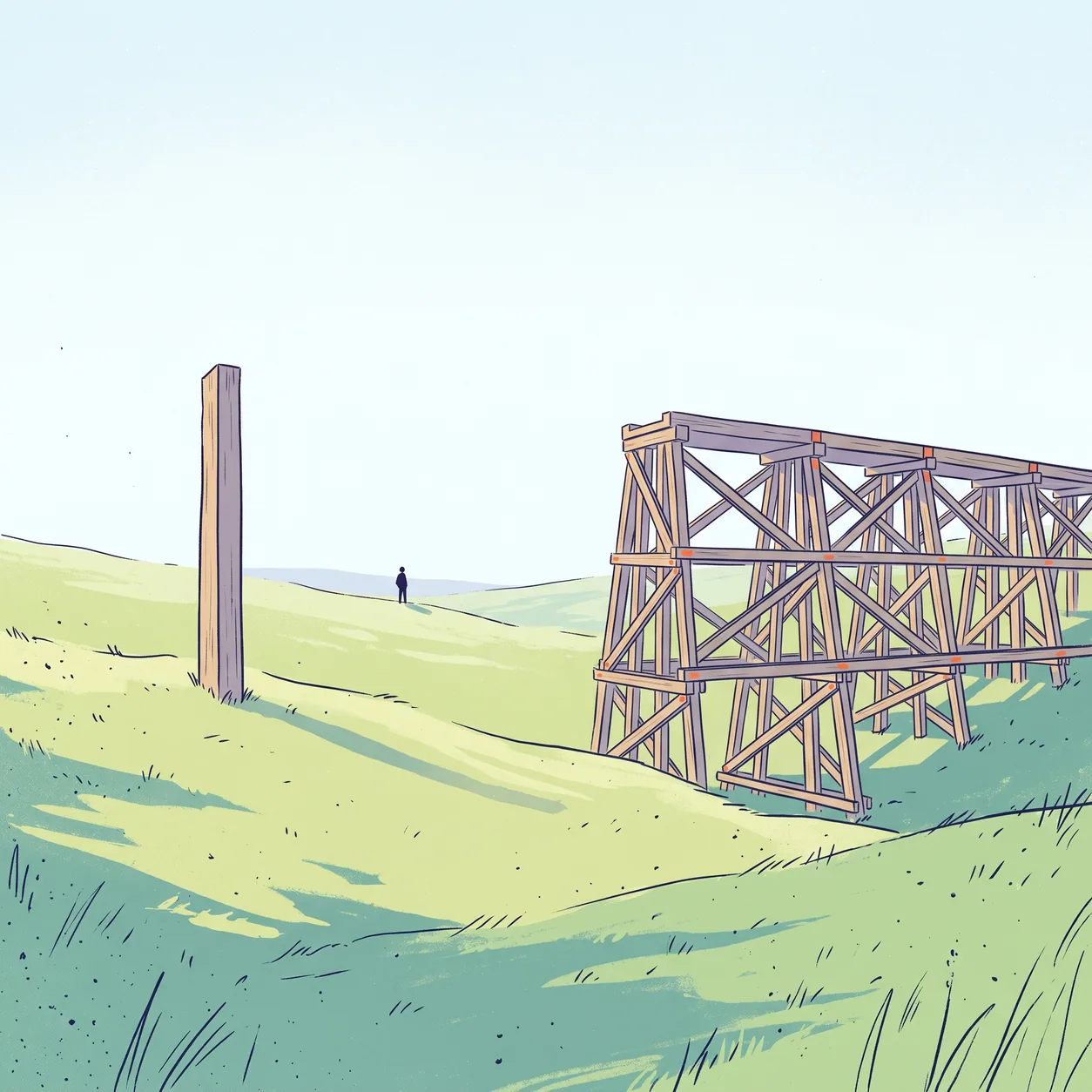
When complex projects depend heavily on specific leadership structures, even minor shifts in authority might threaten broader strategic alignment. Complex initiatives may appear resilient on paper, yet their long-term momentum could hinge on fragile political or organizational consensus. When high-level sponsorship shifts unexpectedly, underlying priorities can quickly change.
Wikipedia's current-events log recorded that Miro Cerar announced his resignation as Prime Minister of Slovenia.
How Leadership Turnover Might Impact Long-Term Strategy
In many institutional environments, strategic direction can be tightly bound to individual decision-makers. When an executive or public official leaves a key position, the underlying systems may lose the political or administrative capital necessary to sustain execution. Organizations might assume that formal processes offer continuity, but operational momentum could rely heavily on personal sponsorship. Without dedicated sponsors, ongoing initiatives can easily stall, face unexpected administrative friction, or undergo prolonged re-evaluation.
Stakeholders might hesitate to commit further resources when authority becomes uncertain or fragmented. In complex systems, planning for operational continuity perhaps requires building resilient frameworks that can survive sudden transitions at the top. When governance frameworks depend primarily on a single figurehead, any shift in leadership might expose latent weaknesses in overall project design.
Why Resilience Might Require Decoupling Projects From Personas
To insulate major efforts from institutional volatility, project leaders could consider designing operational frameworks that operate independently of specific personalities. Establishing shared accountability across broader governance boards might help preserve institutional focus during times of sudden transition. When alignment is distributed across multiple layers of an organization, strategic goals can arguably withstand leadership turnover more effectively.
By embedding core objectives into standardized procedures rather than personal mandates, organizations can potentially shield critical initiatives from political or managerial shifts. Furthermore, teams that rely heavily on executive momentum might benefit from creating explicit handoff mechanisms to maintain clarity during unexpected disruptions. A well-defined continuity plan could mitigate the ambiguity that might follow high-level executive changes. Ultimately, durability in complex systems may depend far less on individual authority than on the structural strength of distributed governance.
True organizational strength might rely not on individual leadership, but on systems explicitly designed to endure beyond any single decision-maker.
Sources
- Portal:Current events/2018 March 14 (revision 830710972) - Wikipedia, March 16, 2018.