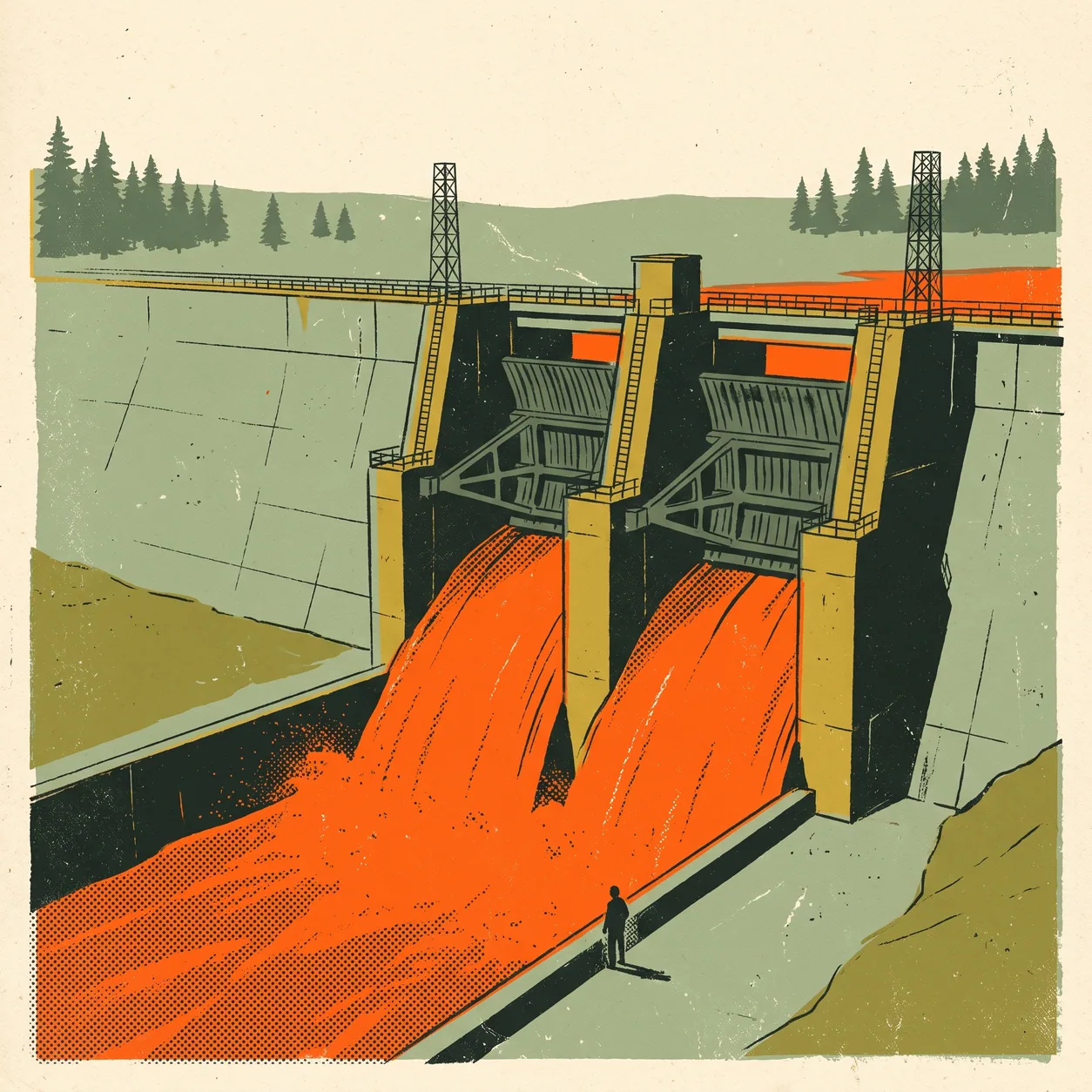
When a pause ends, activity can resume quickly. In general, how fast it resumes may say something about what was arranged in the meantime, though from outside it is often hard to tell.
Wikipedia's current-events log for October 21, 2010 recorded that Jewish settlers have started building more than 600 homes in the West Bank since a building freeze expired last month.
The mechanics of a paused system
In general, a halt in activity need not mean a halt in planning. In many projects, a pause might shift effort from building to preparation. A surge after a pause may look spontaneous, but it can also rely on materials and schedules arranged in advance. The source does not say which was the case here.
This dynamic appears across various domains of execution. When a regulatory, financial, or organizational hold is placed on a project, the underlying demand or intent might not dissipate. Instead, it can accumulate. A pause acts as a dam, storing potential energy that converts to kinetic action the moment the gates open.
Managing pent-up execution
For systems designers and project managers, one general point is that temporary pauses may delay physical output without necessarily stopping the momentum of the people involved. Planners might use the downtime to optimize blueprints, secure supply chains, or align a workforce.
If a system is designed with a hard expiration date for a restriction, the immediate aftermath will likely test the capacity of the surrounding infrastructure. The sudden release of constrained energy might strain resources, alter operational landscapes, or force rapid adjustments from other stakeholders. Understanding this pattern may help in anticipating the scale of a response whenever a formal limitation is removed.
Perhaps a pause in execution is sometimes a shift into preparation.
Sources
- Portal:Current events/2010 October 21 (revision 393840337) - Wikipedia, 2010-10-30.