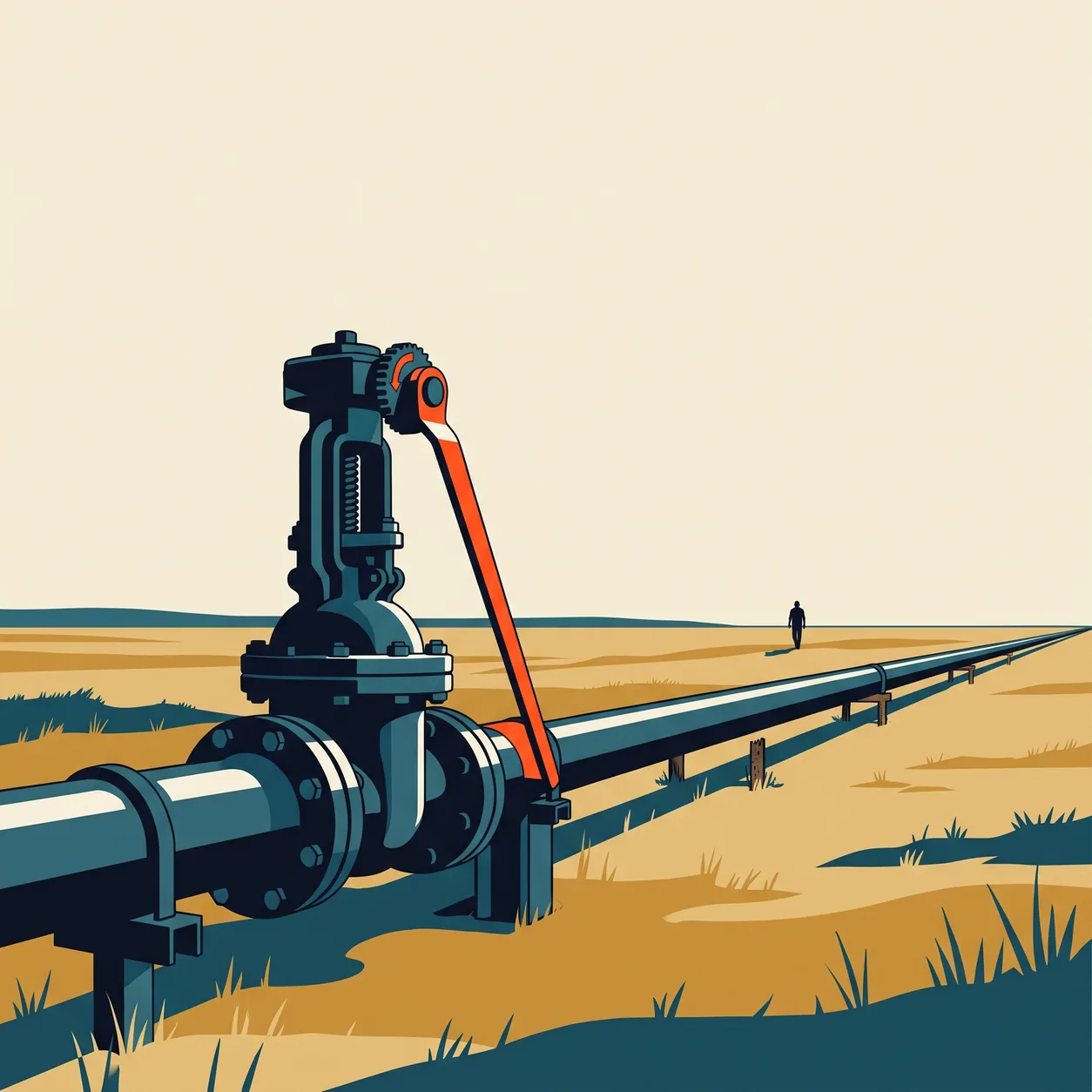
Sudden changes in critical resource availability may demand immediate operational shifts across large institutions. When key inputs are sharply constrained, leaders might be forced to implement immediate consumption limits rather than relying on long-term efficiency upgrades. Managing baseline energy or system loads may become a pressing challenge that requires prompt, visible intervention. Wikipedia's current-events log for July 28, 2022 recorded that authorities in Hanover, Germany, turned off heating and switched to cold showers in all public buildings. Such sweeping measures might serve as a clear illustration of how administrative models might adapt under sudden operational strain.
Why Visible Reductions Could Prompt Better Demand Control
For system designers and project leaders, mandatory operational curtailments may highlight the underlying dependencies of public facilities. When central services cut standard climate settings, organizations may be forced to reframe how facility management supports everyday activity. In technical systems, shutting off reliable baseline functions may signal an urgent need to optimize demand management. System managers might observe that direct, transparent cutbacks prompt behavioral shifts faster than subtle price adjustments or advisory guidelines alone. Furthermore, mandatory resource halts might bring to light previously ignored structural inefficiencies that were historically masked by uninterrupted energy distribution.
What Immediate Halts May Reveal About System Resiliency
Rapid enforcement of conservation protocols might also expose critical gaps in emergency planning and infrastructure design. When operators lack immediate alternative suppliers, abrupt policy interventions might represent the primary viable strategy for stabilizing resource levels. In general, engineering durable platforms may require anticipating how services might be throttled gracefully during supply reductions rather than halted completely. Complex technical environments, whether digital platforms or physical facilities, might achieve greater resilience by building tiered operational modes that allow controlled, partial function during severe input constraints.
Additionally, planning for abrupt operational constraints may encourage leaders to re-evaluate load prioritization across all facilities. By establishing clear hierarchies for essential versus non-essential services before crises occur, organizations can potentially minimize disruption when emergency cuts become necessary.
Ultimately, sudden operational restrictions might suggest that long-term resilience might depend as much on rapid administrative flexibility as on robust physical capacity.
Sources
- Portal:Current events/2022 July 28 (revision 1101570895) - Wikipedia, 2022-07-31.