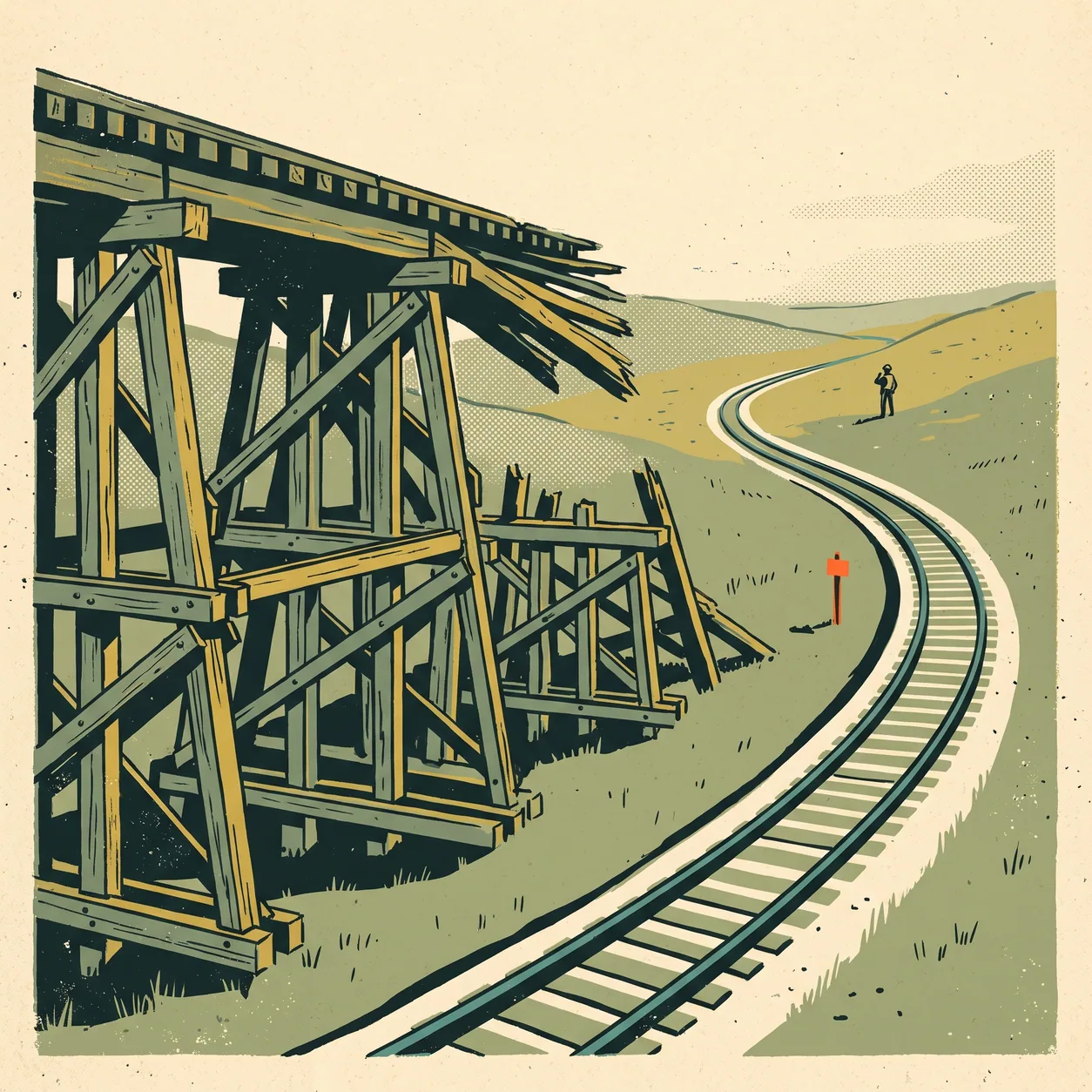
Building software on enduring foundational platforms can offer remarkable operational stability, but prolonged maintenance cycles might also generate subtle organizational inertia. When core infrastructure remains functional for over a decade, system operators may gradually defer necessary updates, perhaps mistaking long-term longevity for permanent viability. Systems that appear reliable can quietly accumulate hidden technical debt if foundational upgrades are consistently delayed.
Wikipedia's current-events log for April 9, 2014 recorded that Microsoft officially concluded Windows XP after 12 years of support.
Why Extended Lifecycle Support Might Create Technical Inertia
An extended horizon for system support can offer exceptional predictability for enterprise operations. However, such extended support timelines might inadvertently encourage organizations to delay essential refactoring. When underlying dependencies do not change for extended periods, product maintainers can easily postpone routine architectural upgrades, which might eventually compound systemic risk across an entire platform ecosystem.
In general, software environments that remain static for years may foster a false sense of operational security among decision-makers. Engineering teams might build additional layers of custom tooling directly on top of aging dependencies, which could make future migration efforts far more intricate and resource-intensive. Over time, the friction of updating a heavily customized environment can grow significantly higher than the incremental cost of performing continuous maintenance.
How Scheduled Halts Can Prompt Architectural Renewal
Formal sunset announcements can serve as necessary catalysts for organizational renewal. Without a firm conclusion to vendor support, teams might rarely prioritize the difficult work of deprecating legacy software components. A predefined retirement date could compel engineering leadership to re-evaluate core software dependencies and migrate existing workflows toward modern standards.
Arguably, managing platform lifecycles effectively might require technical teams to view software deprecation not as an unexpected operational crisis, but as a predictable phase of software design. When maintainers treat platform sunsets as routine events, they can establish clearer update cadences and avoid emergency migrations. By anticipating the eventual retirement of foundational tools, builders can design flexible architectures that adapt more readily when legacy platforms finally reach their limit.
In the end, deliberate platform retirements may remind developers that true software resilience could depend on continuous adaptability rather than static longevity.
Sources
- Portal:Current events/2014 April 9 (revision 603888683) - Wikipedia, April 12, 2014