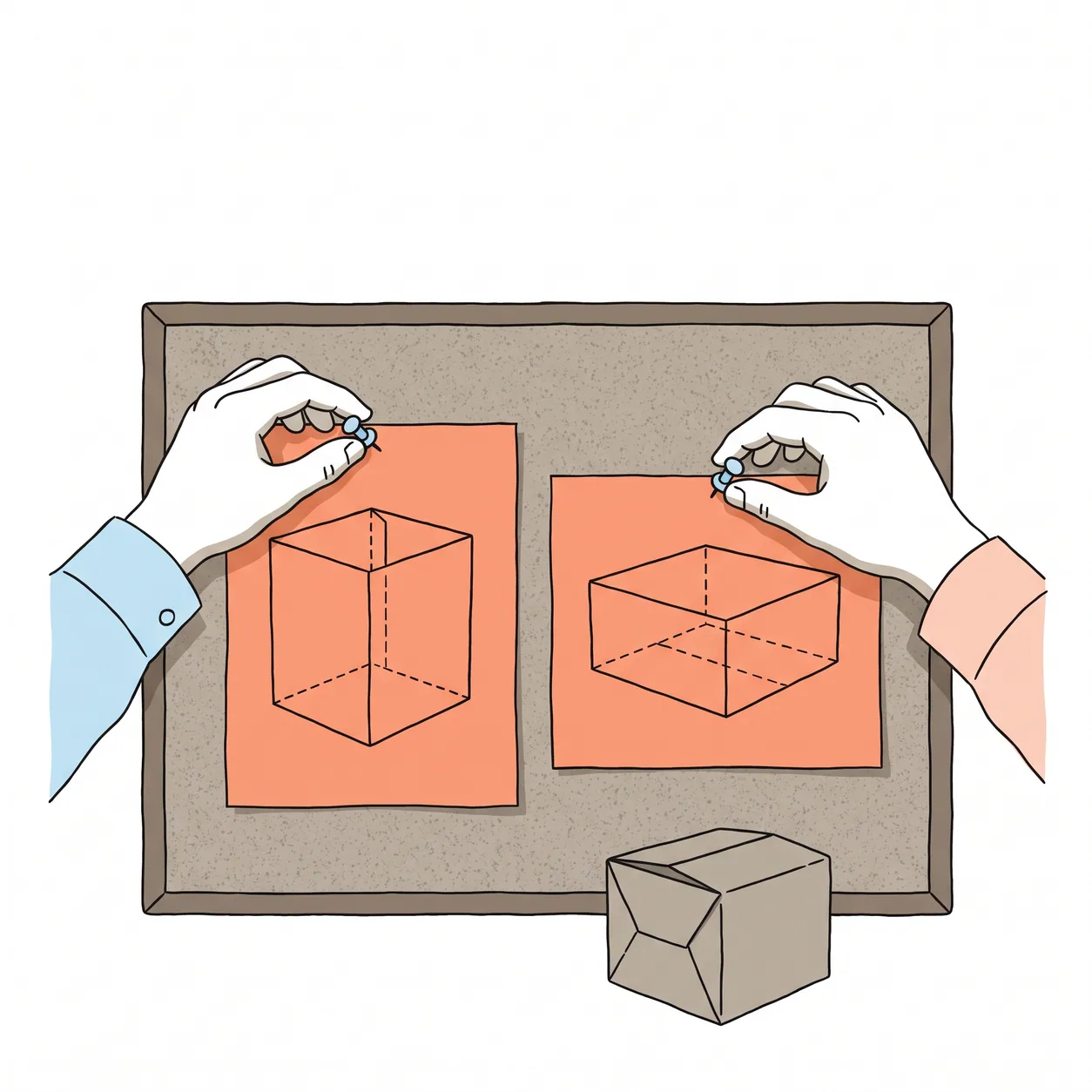
Most teams show users a prototype and then ask what is wrong with it. A rarer move is to hand a few expert outsiders the problem while the design is still close to a blank page.
What did Lego do differently with Mindstorms NXT?
According to a preview of Wired magazine's February issue, there hadn't been a Mindstorms update in nearly four years when Lego started work on a successor. Wired reported that Lego didn't even have a working prototype at that point, so it formed a Mindstorms User Panel, or MUP, of four expert fans to help with the design. Over the next 11 months, right up to the January launch of Mindstorms NXT at the Consumer Electronics Show in Las Vegas, the panel supplied ideas for new sensors, redesigned input ports, and stabilized firmware, the magazine said. Wired described the four men as de facto Lego employees who were paid with a few Lego crane sets and Mindstorms NXT prototypes and even paid their own airfares to Denmark. It called Lego's decision to outsource its innovation to a panel of citizen developers the boldest part of the Mindstorms overhaul.
What did the panel help shape?
Lego's announcement described the new brick as an autonomous 32-bit LEGO microprocessor that can be programmed using a PC or, for the first time in the retail offering, a Mac. The official LEGO site listed 3 interactive servo motors and 4 sensors for ultrasound, sound, light and touch. Lego said LEGO MINDSTORMS NXT would be available in August 2006, at a suggested retail price of US$249.99. The same LEGO site also pointed visitors to the February issue of WIRED magazine, whose cover feature explained how fans have been recruited to help develop the next generation robotics toolset.
When is a design still cheap to share?
Before a prototype exists, a sensor list or a port layout is a line in a discussion thread, and changing it costs an email. Once parts are tooled and boxed, the same change means scrapped molds and reprinted manuals, so outside input tends to arrive as complaints rather than edits. A small panel of trusted experts gives up some control in exchange for corrections made while they are still cheap. The useful question for any build is not when the product is ready to show, but which decisions are still soft enough for the right outsiders to bend.
Sources
- Geeks in Toyland - Wired News, news, undated online preview of the February 2006 issue (archived copy captured 2006-01-26)
- LEGO MINDSTORMS NXT goes Mac - MacDailyNews, news (reprint of the LEGO Group announcement), January 9, 2006 (archived copy captured 2006-01-11)
- LEGO.com MINDSTORMS NXT Home - The LEGO Group, official site, undated (archived copy captured 2006-01-31)